
Skip to content
Electric Guitar Kits Logo
Menu
  • Home
  • Customization & Mods
    • Adding A Tremolo System To Your Electric Guitar Kit
    • Best Upgrades for Budget Guitar Kits (What Actually Makes a Difference)
    • D.I.Y. Fretboard Customization (Inlays, Radius & Leveling)
    • D.I.Y. Fretboard Inlays For Guitar Kits (Creative Upgrade Guide)
    • DIY Semi-hollow Guitar Kit Internal Chambers
    • D.I.Y. Custom Guitar Inlays (Step-By-Step Guide)
    • Electric Guitar Customization & Mods Guide
    • Guitar Fretboard Inlays Explained
  • Neck & Setup
    • Adjust Guitar Neck Truss Rod
    • Adjusting Action On An Electric Guitar
    • Adjusting Action And Intonation On Your Newly Built Guitar Kit
    • Comparing Bolt-on Vs Set Neck Electric Guitar Kits For Tone
    • How To Adjust Truss Rod For Neck Relief In Guitar Kits
    • How To Choose Between Neck-Through And Bolt-On Necks In Kits
    • How To Choose The Perfect Nut Material For Your Electric Guitar
    • How To Properly Set Up Your Electric Guitar Kit For Intonation
    • Refretting Your Electric Guitar Kit: When And How To Do It
    • How To Fix Buzzing Frets And Dead Notes On Your DIY Guitar Kit
    • Setting Up The Bridge And Neck On Your Electric Guitar Kit
  • Pickups & Wiring
    • Best Pickups for Guitar Kits (Budget to Pro Tone Upgrades)
    • Choosing Capacitors And Pots For Your Electric Guitar Wiring
    • Common Wiring Mistakes And How To Fix Your Electric Guitar Kit
    • Custom Wiring Patterns For Unique Guitar Sounds
    • Guide To Wiring Your Electric Guitar Kit For Optimal Performance
    • Guitar Pickups Guide: Choosing the Right Tone
    • How To Adjust Pickup Height On Electric Guitar
    • How Pickup Position Affects Electric Guitar Tone In Kits
    • How To Shield Your Guitar’s Electronics For Noise Reduction
    • Installing Pickups In Your Electric Guitar Kit: A Complete Guide
    • How To Upgrade Your Guitar Kit With Seymour Duncan & Fender Pickups
    • Step-by-step Soldering Guide For Your DIY Electric Guitar Kit
    • Top Affordable Pickups To Upgrade Your Electric Guitar Kit Tone
    • Understanding Humbucker Vs Single Coil Pickups In Kits
    • Ultimate Guide To Upgrading Pickups And Electronics In Guitar Kits
    • Using Tone Pots And Capacitors To Sculpt Your Sound
  • Tone & Playability
    • Adjusting Pickup Height For Optimal Sound On Your Guitar
    • Best Bluetooth Speakers for Music Lovers Who Care About Sound Quality
    • Effects Of Different Wood Types On Electric Guitar Tone
    • How Pickup Height Affects Electric Guitar Tone
    • Mastering Tone Controls on Your Electric Guitar Kit (Beginner-Friendly Guide)
    • Top DIY Electric Guitar Kits For Custom Tone
    • Wood Choices For Electric Guitar Kits: Expert Recommendations
  • Build Guides
    • Best Pro-level Electric Guitar Kit Build Guide
    • Budget Vs Premium Electric Guitar Kits: Which One To Choose?
    • Essential Tools Every Electric Guitar Kit Builder Should Have
    • Tools Needed For Building An Electric Guitar Kit
    • Beginner’s Guide: Building Your First Electric Guitar Kit Step-by-Step
    • String Changing Techniques To Protect Your Guitar
    • Best DIY Electric Guitar Kits for Custom Tone (2025 Guide)
    • Top Customizable Electric Guitar Kits For Modern Tone
    • Troubleshooting Common Issues During Electric Guitar Kit Assembly
  • Make Money Online
  • Solo Guitar Kits
    • Best Solo Guitar Kits (Complete 2025 Buying Guide)
    • Best Solo Strat-Style DIY Guitar Kits (Buying Guide)
    • Best Solo Tele-Style DIY Guitar Kits (Buying Guide)
    • Best Solo LP-Style DIY Guitar Kits (Beginner-Friendly Guide)
    • Best Solo SG-Style DIY Guitar Kits (Beginner Guide)
    • Best Solo Hollow Body Guitar Kits (Buying Guide)
    • Solo Tele Semi-Hollow DIY Kits
    • Best Solo Offset-Style DIY Guitar Kits (Buying Guide)
    • Solo Explorer & Fire-Style Guitar Kits — EXK, FBK & FVK
Menu
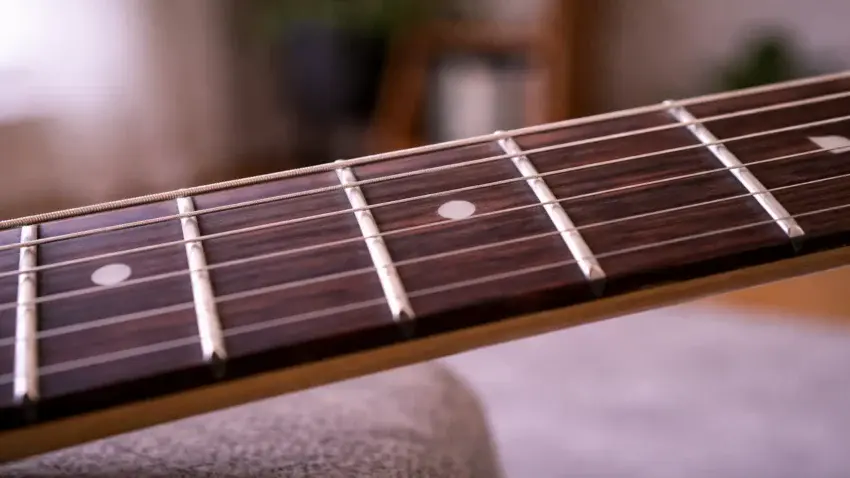
Close-up of an electric guitar fretboard showing a string very near a specific fret, highlighting where buzzing strings or dead frets can occur along the neck.

Fixing Buzzing Strings & Dead Frets

Posted on January 28, 2026January 28, 2026 by Wayne

Buzzing strings and dead frets are some of the most frustrating problems guitar players run into — especially after a setup that seemed correct.

The mistake most people make is assuming buzz always means something is wrong or broken.
In reality, buzzing and dead notes usually point to tolerance limits, setup order issues,
or structural factors that can’t be forced away.

This guide explains why buzzing and dead frets happen,
how to tell what kind of problem you’re dealing with,
and when adjustment helps — and when it doesn’t.


This article is part of the Electric Guitar Setup Tools, Common Problems & Fixes guide,
which explains how to troubleshoot setup issues and know when adjustments should stop.


Buzzing Strings vs Dead Frets (They’re Not the Same)

These two problems feel similar but have different causes.

Buzzing strings

  • Notes still ring

  • Buzz may be audible acoustically

  • Sustain is usually intact

  • Buzz may disappear through an amp

Dead frets

  • Notes choke or die quickly

  • Sustain drops sharply

  • Often isolated to one or two frets

  • More serious than normal buzz

Knowing which one you’re dealing with prevents the wrong adjustments.


Common Causes of Buzzing Strings

Buzz is often the result of tight tolerances, not failure.

Common contributors include:

  • Very low action

  • Slight fret height variation

  • Aggressive picking or fretting

  • Seasonal neck movement

  • Normal acoustic string noise

Some amount of buzz is acceptable — especially if it doesn’t translate through the amplifier.


Why Dead Frets Are More Serious

Dead frets usually point to localized problems, such as:

  • Uneven fret height

  • High frets nearby

  • Neck irregularities

  • Structural inconsistencies

These are not problems that setup tweaks reliably fix.

Raising action may hide the issue, but it rarely solves it.


Why Setup Order Matters Here

Many buzzing issues come from adjusting things out of order.

If:

  • Neck relief isn’t correct

  • Action was set before relief

  • Intonation was adjusted too early

…the guitar may buzz even though each individual adjustment seemed reasonable.

This is why setup order exists — not to be rigid, but to keep problems predictable.


When Adjustments Help (And When They Don’t)

Adjustments can help when:

  • Buzz is mild and widespread

  • Action is extremely low

  • The neck recently experienced climate changes

Adjustments don’t help when:

  • Buzz is isolated to one fret

  • Notes choke during bends

  • Problems worsen with every change

  • The guitar stops responding logically

At that point, forcing adjustments usually causes more harm than good.


Why Raising Action Isn’t Always the Answer

Raising action is the most common reaction to buzz —
and often the least effective.

It can:

  • Reduce audible buzz

  • Increase playing effort

  • Mask underlying issues

But it won’t fix:

  • Uneven frets

  • Twisted necks

  • Structural problems

A guitar that only behaves at very high action is telling you something important.


When to Stop and Reassess

This is the most important skill in troubleshooting.

Stop adjusting if:

  • Every change creates a new problem

  • Measurements stop making sense

  • The guitar behaves inconsistently

  • You feel like you’re guessing

That’s not failure — it’s awareness.


Buzz Isn’t Always the Enemy

Many professional guitars:

  • Buzz slightly acoustically

  • Play clean through an amp

  • Feel fast and responsive

A guitar doesn’t have to be silent to be playable.

The goal is usable clarity, not perfection.


What Comes Next?

Once buzzing and dead fret behavior is understood, the next step isn’t another adjustment —
it’s deciding whether the guitar needs:

  • Time to settle

  • Minor follow-up later

  • Or professional fret work

That decision saves more guitars than any wrench ever will.


Final Thoughts…

Buzzing strings and dead frets don’t mean you failed a setup.

They mean the guitar is showing you its limits.

Knowing when to adjust — and when to stop —
is what separates calm setups from endless frustration.

GuitarCrafts is here to help you listen to the instrument instead of fighting it.


🎸 Craft it. Play it. Own it. 🎸


Ready to take your guitar passion beyond the workbench?

See how I built GuitarCrafts.com using the training at Wealthy Affiliate — you can do the same.
👉👉 Build Your First Website With Wealthy Affiliate (Free)

Wealthy Affiliate Internet Marketing University Banner


Leave a Reply Cancel reply

Your email address will not be published. Required fields are marked *

Learn to make money in the comfort of your own home!

  • Facebook
  • Pinterest
  • YouTube

Recent Posts

  • Fixing Buzzing Strings & Dead Frets
  • Guitar Setup Tools Explained (What You Actually Use)
  • Why Guitars Go Out of Tune Up the Neck
  • What Guitar Intonation Means in Real Playing
  • Low Action vs Fret Buzz: Finding the Balance
  • About Me...
  • Affiliate Disclosure
  • Best Solo Guitar Kits (Complete 2025 Buying Guide)
  • Best Solo Hollow Body Guitar Kits (Buying Guide)
  • Best Solo LP-Style DIY Guitar Kits (Beginner-Friendly Guide)
  • Best Solo Offset-Style DIY Guitar Kits (Buying Guide)
  • Best Solo SG-Style DIY Guitar Kits (Beginner Guide)
  • Best Solo Strat-Style DIY Guitar Kits (Buying Guide)
  • Best Solo Tele-Style DIY Guitar Kits (Buying Guide)
  • Build Your Own Dream Guitar Kit (Without Feeling Overwhelmed)
  • GuitarCrafts Homepage
  • How I Started Making Money Online With Wealthy Affiliate
  • Privacy Policy
  • Solo Explorer & Fire-Style Guitar Kits — EXK, FBK & FVK
  • Solo Guitars Review (2025): Are Their DIY Guitar Kits Worth It?
  • Solo Tele Semi-Hollow DIY Kits

Archives

  • January 2026
  • December 2025
  • November 2025
  • September 2025
  • August 2025
  • July 2025

Categories

  • Build Guides
  • Customization & Mods
  • Neck & Setup
  • Pickups & Wiring
  • Tone & Playability
  • Uncategorized
© 2026 My Electric Guitar Kits Site | Powered by Superbs Personal Blog theme