
Skip to content
Electric Guitar Kits Logo
Menu
  • Home
  • Start Here
    • Build Your First Guitar Kit
    • Essential Tools Every Electric Guitar Kit Builder Should Have
    • Setting Up The Bridge And Neck On Your Electric Guitar Kit
    • Are DIY Guitar Kits Good For Beginners?
    • Mastering Tone Controls on Your Electric Guitar Kit (Beginner-Friendly Guide)
  • Fix & Setup
    • How To Adjust Truss Rod For Neck Relief In Guitar Kits
    • Adjusting Action On An Electric Guitar
    • How To Properly Set Up Your Electric Guitar Kit For Intonation
    • Fix Buzzing Frets & Dead Notes
    • Setting Up The Bridge And Neck On Your Electric Guitar Kit
  • Pickups & Wiring
    • Understanding Humbucker Vs Single Coil Pickups In Kits
    • How Pickup Height Affects Electric Guitar Tone
    • How To Adjust Pickup Height On Electric Guitar
    • Guide To Wiring Your Electric Guitar Kit For Optimal Performance
    • How To Shield Your Guitar’s Electronics For Noise Reduction
  • Tone & Upgrades
    • How Tone Pots Shape Feel and Control on Your Guitar
    • How Guitar Electronics Shape Tone Beyond Pickups
    • Does Guitar Wood REALLY Affect Tone? (What Builders Notice First)
    • Best Pickups for Guitar Kits (Budget to Pro Tone Upgrades)
    • How To Choose The Perfect Nut Material For Your Electric Guitar
  • Mods & Custom Builds
    • D.I.Y. Fretboard Inlays For Guitar Kits (Creative Upgrade Guide)
    • D.I.Y. Custom Guitar Inlays (Step-By-Step Guide)
    • How To Choose Between Neck-Through And Bolt-On Necks In Kits
    • String Changing Techniques To Protect Your Guitar
    • Electric Guitar Customization & Mods Guide
Menu
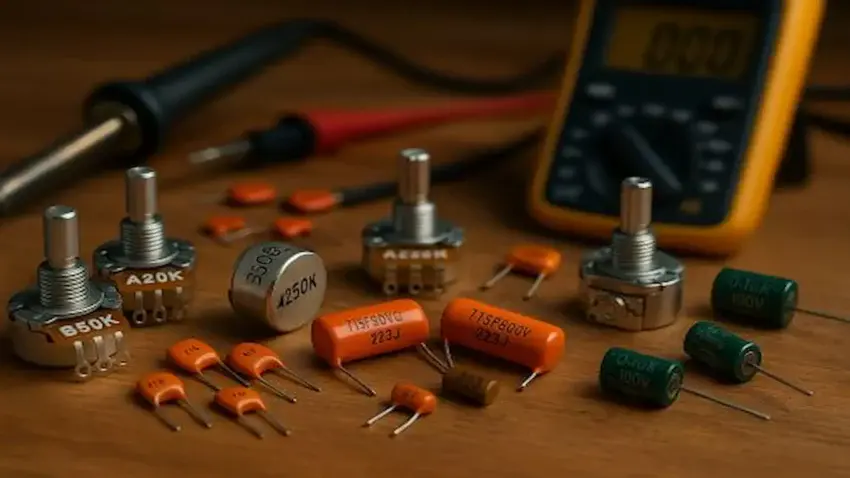
Choosing guitar capacitors and pots with electronic components and tools laid out on a workbench.

Choosing Capacitors And Pots For Your Electric Guitar Wiring

Posted on August 20, 2025April 28, 2026 by Wayne

Understanding how to choose the right capacitors
and pots is one of the most important parts of
dialing in your guitar’s tone.

In Choosing Capacitors And Pots For Your
Electric Guitar Wiring
, we break down exactly
what each component does, how different values
affect your sound, and which parts make the
biggest improvement in a kit build.

Whether you’re chasing a warmer roll-off,
a brighter bite, or smoother volume control,
the right combination of pots and caps makes
a huge difference in how your guitar responds.

Most beginners stick with whatever came in the kit,
but upgrading these components is one of the
easiest ways to elevate your tone
without spending a lot.

This guide shows you how to understand
the options, match values to your pickups,
and select reliable parts that make your wiring
feel and sound more professional.


👉 This guide is part of my
Electric Guitar Pickups & Wiring Guide,
which explains how pickups, wiring, and
electronics shape your guitar’s
tone and performance.


Affiliate transparency notice for GuitarCrafts.com with guitar icon, explaining that some posts contain affiliate links and that the site may earn a small commission at no extra cost to the reader.


🔧 Tools & Extras That Make
Your Electronics Work Better

Upgrading your pots and pickups is only
part of the equation.
The right tools and small extras make the
difference between a frustrating install and
a clean, professional result.

From shielding noise to testing connections and
making solid solder joints, these simple additions
help your electronics perform the way they should.

If you want better tone, fewer problems,
and a smoother build process —
these are worth having on your bench.


🛡️ Kirecoo Copper Tape

Clean grounding and proper shielding help your
pots and caps perform the way they’re supposed to.
Copper tape keeps outside noise from creeping
into your tone circuit.


🌟 Amazon Product Suggestion:
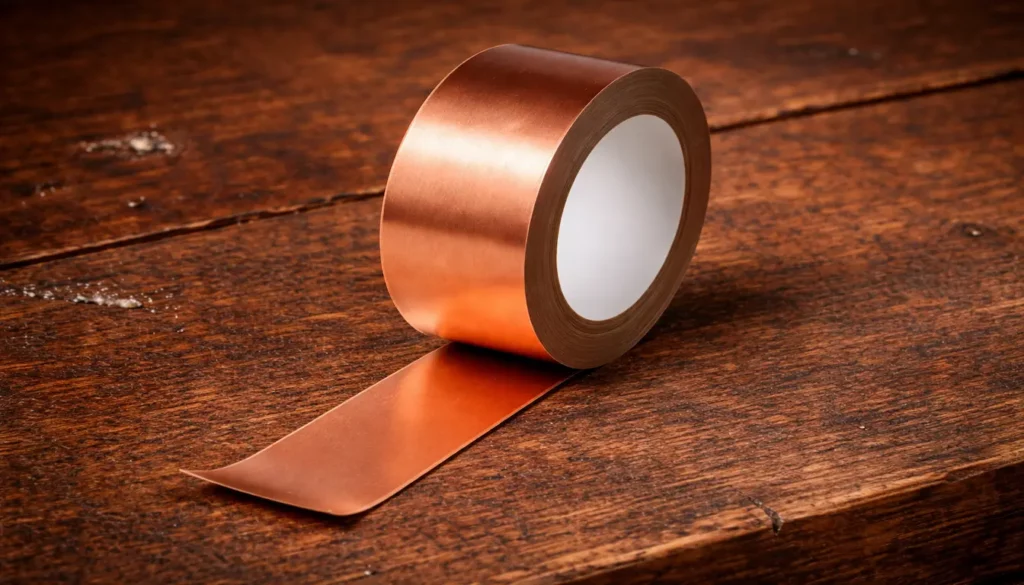
Copper foil tape roll partially unrolled on a rustic wooden workbench, used for guitar shielding and electronics work

✔️ Kirecoo Copper Tape
Conductive Shielding Tape

Kirecoo copper tape is a reliable solution
for shielding guitar cavities
and reducing noise.
It applies easily and ensures
solid electrical continuity.

Why it’s great:

✔️Conductive adhesive — Strong continuity
✔️Wide roll — Covers faster
✔️Sticks well — Handles curves
✔️Easy install — Clean, quick application


🎨 Conductive Shielding Paint

If you want the smoothest, quietest response from
your tone and volume controls, shielding the cavity
with conductive paint reduces unwanted interference.


🌟 Amazon Product Suggestion:
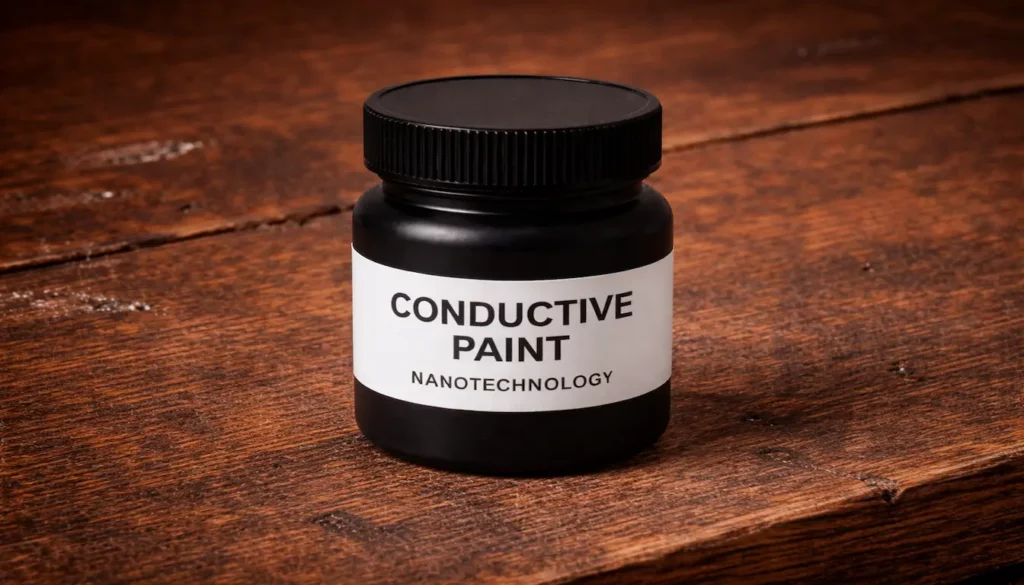
Jar of conductive paint on a rustic wooden workbench, used for shielding guitar cavities and reducing electrical noise

✔️ Conductive Shielding Paint
(1 fl oz)

A brush-on shielding paint that
creates a clean, conductive layer to
reduce hum and interference.
Ideal for hard-to-reach cavities.

Why It’s Great:

✔️Brush-on — Easy application
✔️Strong shielding — Reduces noise
✔️Great for curves — Where tape struggles
✔️Fast drying — Clean, seamless finish


📟 KAIWEETS Digital Multimeter

A multimeter is essential when testing pot values,
confirming capacitor ratings, and verifying
clean connections during wiring upgrades.


🌟 Amazon Product Suggestion:
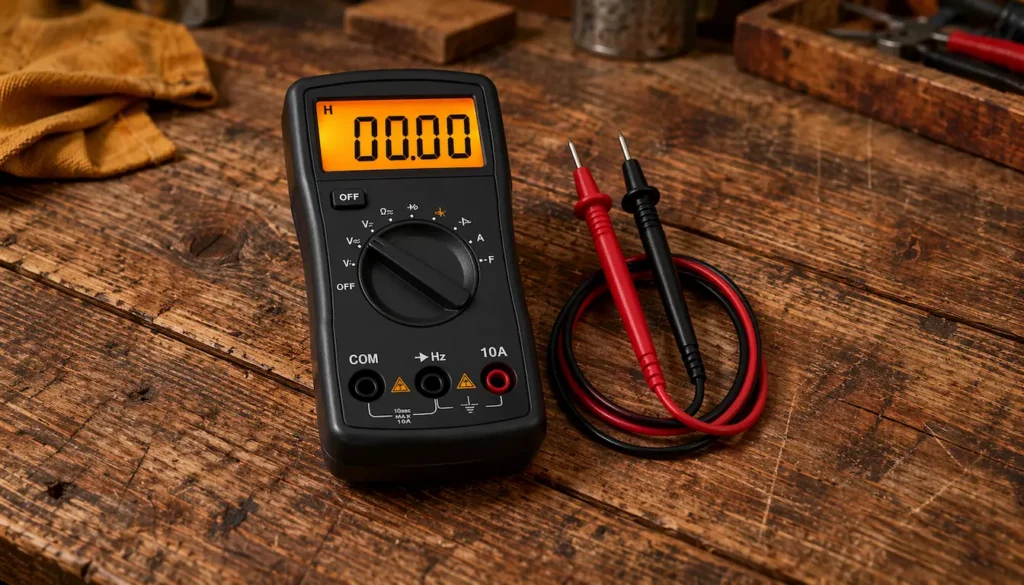
digital multimeter on workbench used for testing guitar wiring and electronics

✔️ KAIWEETS 6000-Count
Digital Multimeter

A budget-friendly multimeter
for checking connections, grounding,
and wiring issues.
Accurate, easy to use,
and great for guitar builds.

Why It’s Great:

✔️Continuity check — Verifies connections
✔️Resistance readings — Tests wiring health
✔️Auto-ranging — Simple to use
✔️Backlit display — Easy to read
🔥 YIHUA 926 III Soldering Station

Upgrading pots and caps demands clean, precise
solder joints. A stable temperature-controlled
station ensures everything flows perfectly.


🌟 Amazon Product Suggestion:

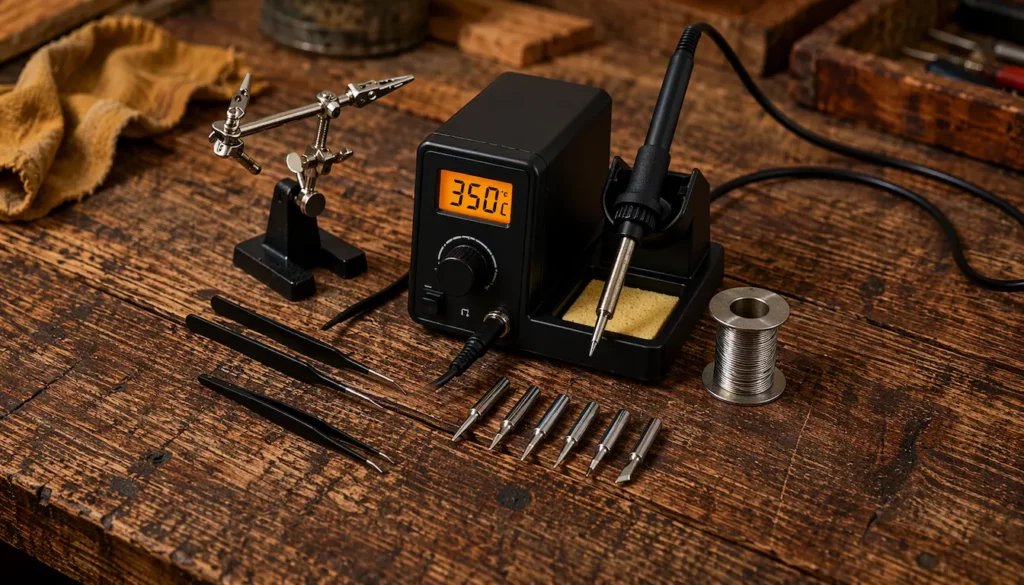
soldering station on workbench used for guitar wiring and electronics assembly

✔️ YIHUA 926 III Digital
     Soldering Station  

(60W)

A powerful soldering station
with fast heat-up and
precise temperature control.
Perfect for clean wiring, shielding,
and pickup installs.

Why It’s Great:

✔️Temp control — Clean, strong joints
✔️Fast heating — Ready quickly
✔️Precision tips — Detailed work
✔️All-in-one kit — Tools included


🔌Ernie Ball Instrument Cable

Great pots and caps mean nothing if your cable
introduces noise. A reliable, well-shielded cable
keeps your upgraded electronics sounding clear.


🌟 Amazon Product Suggestion:

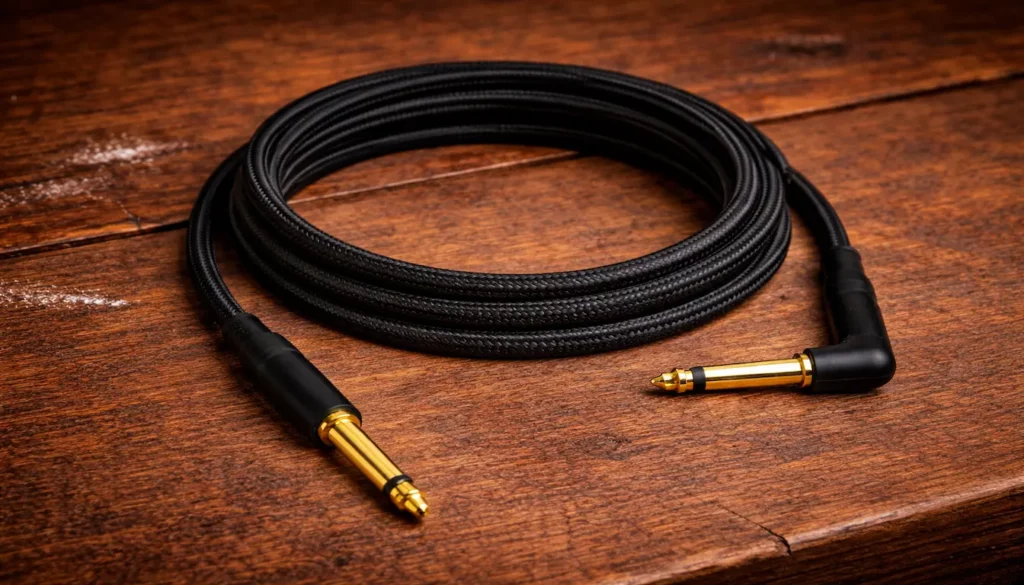
Coiled black guitar cable with gold-plated connectors on a rustic wooden workbench for instrument and amp connections

✔️ Ernie Ball Braided Instrument Cable
(18ft – Straight/Angle)

This Ernie Ball cable gives you a clean,
quiet signal
 that actually shows off
your shielding work.
The braided jacket keeps it
tangle-free and durable, and the
straight/angle plug setup is perfect
for most electric guitar jacks.

Why It’s Great:

✔️Noise-free dual shielding
✔️Ultra-durable braided jacket
✔️Straight + right-angle connectors
✔️Gold-plated plugs for better contact
✔️Smooth, reliable signal for any guitar


⭐ Step-By-Step:
Choosing & Upgrading
Pots and Capacitors

1. Start by Identifying Your Pickup Type

Pickup type determines your pot value.
Single-coils typically use 250k pots for
a warmer, smoother top end.

Humbuckers usually pair with 500k pots
to keep the tone bright and open.

Matching pots to pickups gives
your guitar a balanced foundation.


2. Choose the Right Pot Values
for Your Tone Goals

Pot resistance directly shapes your
high-end response.

  • 250k = warmer, less treble
  • 500k = brighter, more treble
  • 1M = ultra-bright, high presence

If your guitar feels too muddy or too sharp,
changing pot values is one of the simplest fixes.


3. Select a Capacitor Based
on Tone Roll-Off Style

Capacitors decide how your tone knob
shaves off high frequencies.

  • .022µF –
    Best for humbuckers; smooth & balanced roll-off
  • .047µF –
    Better for single-coils; deeper treble cut
  • .033µF –
    Great “middle ground” value

The value matters far more than
the brand or style—
Though film caps like “Orange Drops”
tend to give a smoother sweep.


4. Choose Your Capacitor Type
for Durability and Feel

The tone is shaped by value first,
but type does influence consistency.

  • Film/Poly (Orange Drop) –
    Reliable, smooth response
  • Ceramic –
    Classic sound, slightly harsher roll-off
  • Paper-in-Oil –
    Vintage feel, very smooth sweep

Any of them work,
but film caps are the most stable
and predictable for beginners
.


5. Test Pot and Cap Values
With a Multimeter

Before soldering, verify values.
Pots can vary by ±20%,
and caps aren’t always exact.
A quick multimeter check ensures your
components match your expectations
and prevents tone surprises later.


6. Remove the Stock Components
From the Kit

Most kit pots and caps are low-cost
components with inconsistent sweeps.
Desolder the stock parts carefully,
keeping your leads tidy and avoiding
heat damage to the switch or jack wiring.


7. Install the New Pots
and Capacitors Cleanly

Mount the new pots in the cavity,
solder the cap between the correct lugs,
and verify all grounds are solid.

Use heat-shrink tubing or
neatly bent leads to prevent shorts.


8. Verify the Wiring Diagram
Before Closing the Cavity

Double-check the layout for your
specific configuration — Strat, Tele, LP, or custom.
Make sure the tone caps are connected to the
correct pot lugs and the output jack wiring
is clean and secure.


9. Test the Tone Sweep
Before Final Assembly

Plug the guitar in and test the
volume and tone controls.
The sweep should be smooth,
predictable, and responsive.
If the tone is too dark or too bright,
revisit your pot/cap values.


10. Seal the Cavity for
the Quietest Performance

This is where shielding comes in.
Copper tape or shielding paint ties
everything together and reduces noise.

Your pots and caps perform better
when the circuit is quiet and
grounded properly.


Final Thoughts…

Upgrading the pots and capacitors in your
electric guitar kit is one of the easiest ways to
shape your tone and get more control
over your sound.

Once you understand how pot values affect
brightness and how capacitor ratings change
your tone roll-off, choosing the right components
becomes simple.

A few small upgrades can take a basic kit from
“good enough” to smooth, responsive,
and far more professional.

Take your time when selecting and installing
these parts, and don’t be afraid to experiment
with different values.

With a solid wiring layout and clean solder work,
your guitar will feel more dynamic and will sound
better across the entire range of your controls.


🚀 Ready to Start?

Here’s your next step —
pick one and go:

👉 New to guitar kits?
Start with
Step-by-Step Guide To Building
Your First Electric Guitar Kit

and
Essential Tools Every Electric Guitar Kit
Builder Should Have
.

👉 Already built a kit?
Jump into
How To Properly Set Up Your
Electric Guitar Kit For Intonation

or
Fixing Common Problems:
Buzzing And Dead Frets
.

👉 Chasing better tone?
Head to
Understanding Humbucker
Vs Single Coil Pickups In Kits

or
Playing With Tone Controls:
Tips For Electric Guitar Kits

and start experimenting.


🎸 Your Guitar, Your Build,
Your Sound

You don’t need a custom shop or a tech on speed dial.
All you need is a little guidance, some patience,
and a place to go that shows you what to do next.
Come on man… You got this.

GuitarCrafts
is here to help you along the way.


🎸Craft it. Play it. Own it! 🎸


4 thoughts on “Choosing Capacitors And Pots For Your Electric Guitar Wiring”

  1. Sharon says:
    August 21, 2025 at 12:31 am

    This was such an informative breakdown of pots and capacitors. Thank you for explaining it so clearly! I don’t play the electric guitar myself, but my nephew does, and I’ll definitely be sharing this with him. The way you explained how different values pair with single-coils vs. humbuckers makes it much easier to follow, even for someone like me.

    Quick question: Do you think these kinds of upgrades make the most difference for beginners learning to shape their tone, or are they more noticeable for experienced players who already know their sound?

    Reply
    1. admin says:
      August 21, 2025 at 7:43 pm

      Thank you so much for your kind words! I’m glad the breakdown was easy to follow, even if you’re not playing yourself — it’s always great when the info can be shared with someone learning, like your nephew.

      As for your question: these upgrades can make a noticeable difference for both beginners and experienced players, but in slightly different ways. For beginners, changing pots and capacitors can open up new tonal possibilities and help them start understanding how tone shaping works, even if they’re still finding their own sound. For more experienced players, the difference is often more subtle and nuanced — they’ll notice the way certain values emphasize or smooth out frequencies, which can really refine their signature tone. 

      Either way, it’s a fun way to explore and experiment with sound.

      Thanks again,

      ~Wayne

      Reply
  2. MikeJonesCrusher says:
    March 15, 2026 at 8:56 am

    Leider , leider habe ich nicht Lizenz um das ganze zu betreiben . Nicht wegen des Könnens , sondern wegen der Garantie des ganzen . Somit werde ich wohl eine fertige Schaltung kaufen , welche schraubbar ist . Dann muss das gute Teil noch in die Werkstatt um den Lawrence Tone- L -Filter mit einem on/off Kippschalter – welcher nicht vorgesehn ist , aber besser – zu versehen . Dann braucht die Regelschaltung noch einmal Phaserevers / singleswitch vorne und hinten nur singleswitch . Nach Jahrzehnten der Kriegsversehrtheit mal wieder üben .

    Reply
    1. Wayne says:
      March 15, 2026 at 9:20 am

      Thanks for the comment!
      The Lawrence Tone-L filter with phase reverse and single switches sounds like a very cool wiring setup.
      Those kinds of mods can really open up a lot of tonal options in a guitar.
      It’s always fun experimenting with electronics and seeing what new sounds you can create.
      And after many years away, getting back to practicing guitar again is always a great feeling.
      Good luck with the project and enjoy the journey!

      Thanks again,
      ~ Wayne

      Reply

Leave a Reply Cancel reply

Your email address will not be published. Required fields are marked *

  • Facebook
  • Pinterest
  • YouTube
Recommended Guitar Kits – See My Top Picks

© 2026 My Electric Guitar Kits Site | Powered by Superbs Personal Blog theme