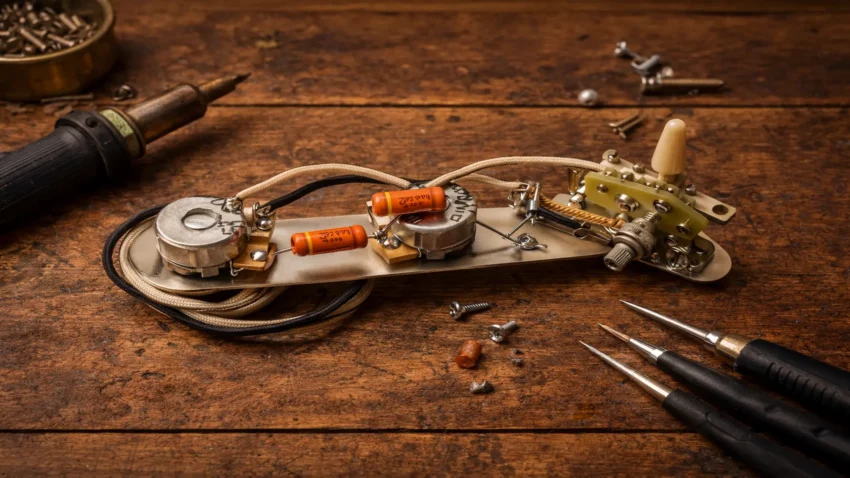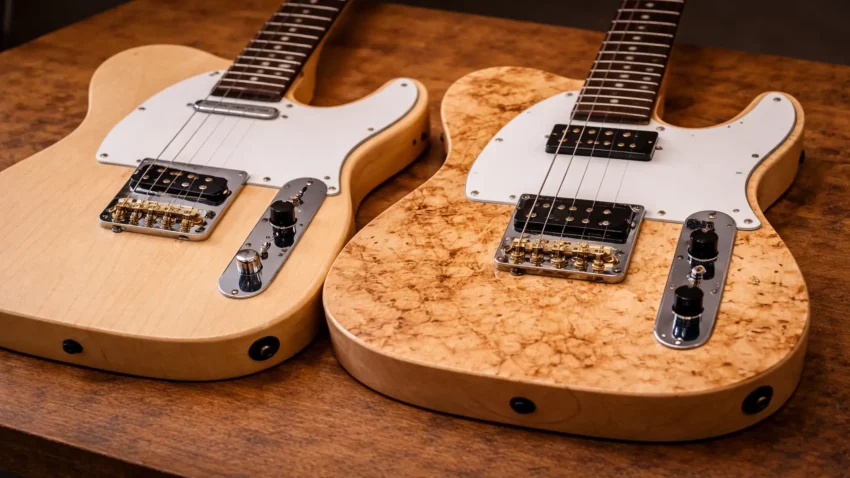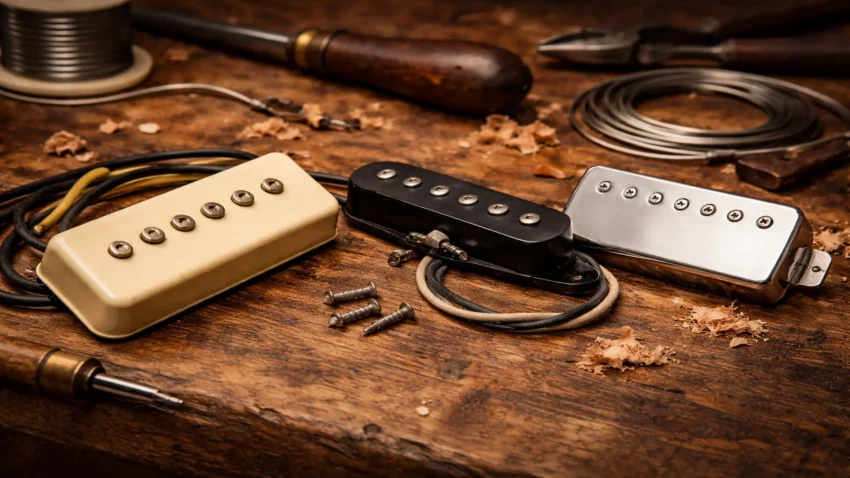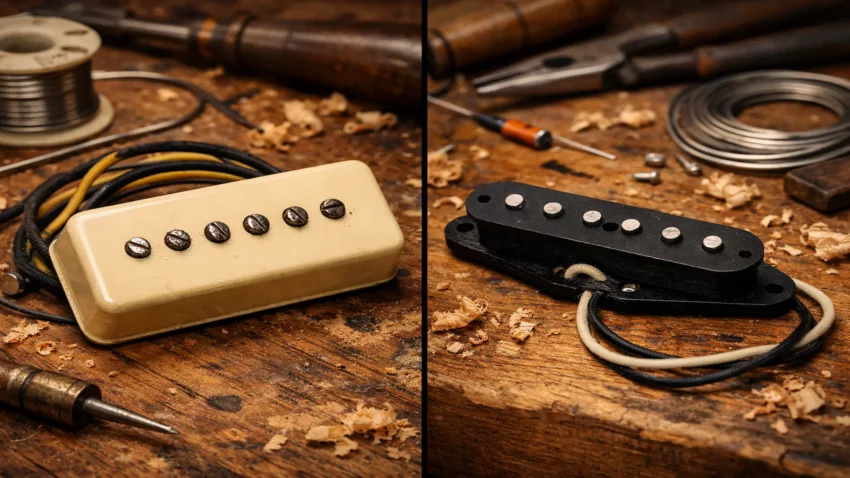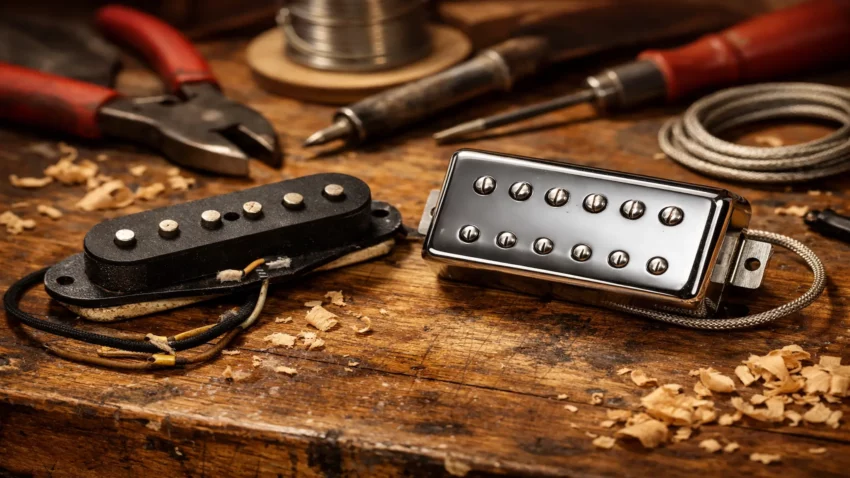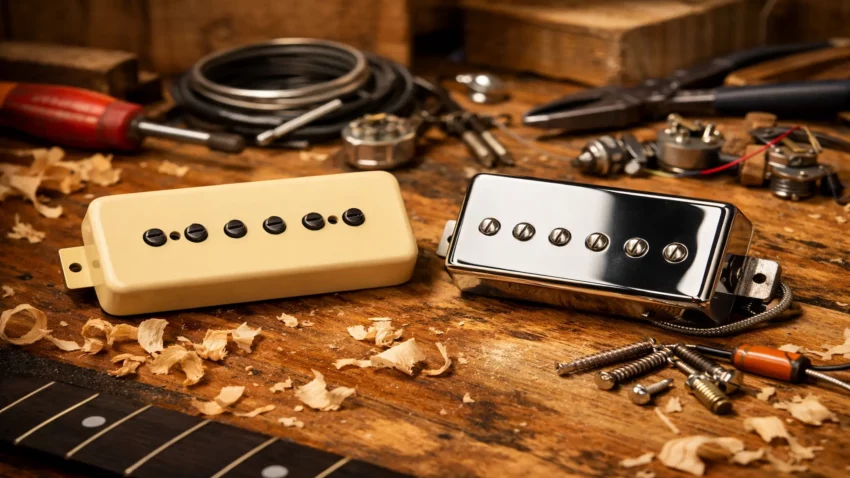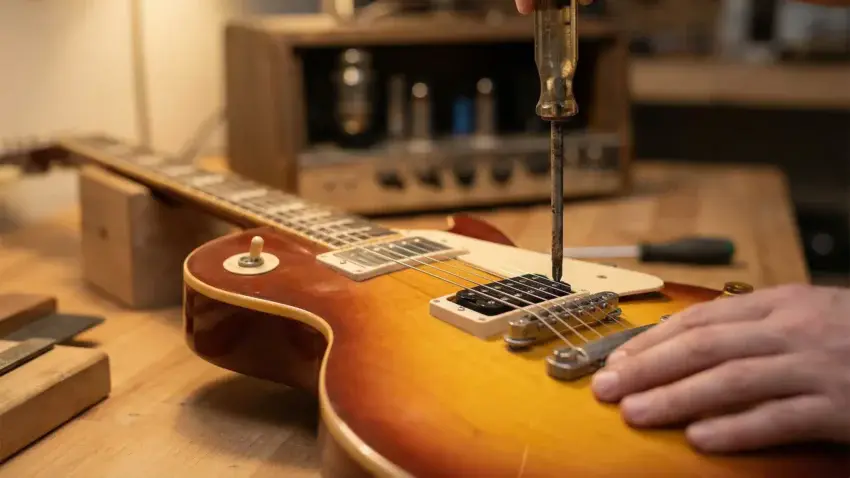
When players think about wiring, they usually think in terms of diagrams, layouts, or modifications. But from a playing perspective, wiring matters for a much simpler reason: It affects how consistent and predictable the guitar feels while you play. This page focuses on how wiring layouts influence response, stability, and playing confidence — not how…
Category: Pickups & Wiring
How Pickup Selector Switches Affect Feel and Playing Flow
Pickup selector switches are often treated as simple routing tools — something you flip to choose a sound and then forget about. But from a playing perspective, the selector does more than change tone. It affects flow, confidence, and how naturally you move through a song. This page explains how pickup selector switches influence playing…
How Volume Pots Affect Dynamics and Playing Control
Volume controls are often treated as simple loudness knobs. Many players set them once and forget about them, assuming they don’t affect feel as long as the sound level is acceptable. In reality, volume pots play a major role in how a guitar responds to your hands. They influence dynamics, touch sensitivity, and how controlled…
How Tone Pots Shape Feel and Control on Your Guitar
When players talk about guitar electronics, tone controls are often the most misunderstood part of the system. Many players treat the tone knob as a simple brightness cut — something to leave wide open or turn down when things get harsh. In reality, tone pots shape how the guitar feels under your fingers just as…
Choosing Pickups for Home Practice vs Live Playing
Where a guitar is played — at home or in a live setting — has a strong influence on how it’s expected to behave. Builders working with electric guitar kits often overlook this difference when choosing pickups. This page explains how home practice and live playing use cases influence pickup choice, without discussing tone mechanics,…
Choosing Pickups for Rhythm vs Lead Playing
How a guitar is used within a song — rhythm or lead — has a strong influence on pickup choice. For builders working with electric guitar kits, confusion often comes from trying to match pickups to player labels instead of actual playing roles. This page explains how rhythm and lead use cases influence pickup choice,…
Choosing Pickups for Clean vs Driven Playing
How a guitar is used — clean, driven, or somewhere in between — plays a major role in pickup choice. For builders working with electric guitar kits, confusion often comes from trying to match pickups to tone descriptions instead of actual playing situations. This page explains how clean and driven playing use cases influence pickup…
How Music Style Influences Pickup Choice
Music style plays a major role in how a guitar is expected to sound and feel. For builders working with electric guitar kits, pickup choice often becomes confusing when trying to match tone expectations to different styles of music. This page explains how music style influences pickup choice, focusing on general use cases rather than…
Why Guitar Hum Becomes More Noticeable With Gain and Volume
Guitar hum often becomes more noticeable when gain or volume is increased. Builders working with electric guitar kits frequently assume something has changed or gone wrong when background noise suddenly feels louder. This page explains why guitar hum becomes more noticeable with gain and volume, focusing on signal amplification rather than wiring problems or pickup…
Why Guitar Hum Changes With Position and Environment
Guitar hum does not always stay constant. Many builders notice that background noise changes when they move, rotate the guitar, or play in different rooms. This behavior often feels unpredictable at first. This page explains why guitar hum changes with position and environment, focusing on how external factors influence pickup noise rather than internal wiring…