
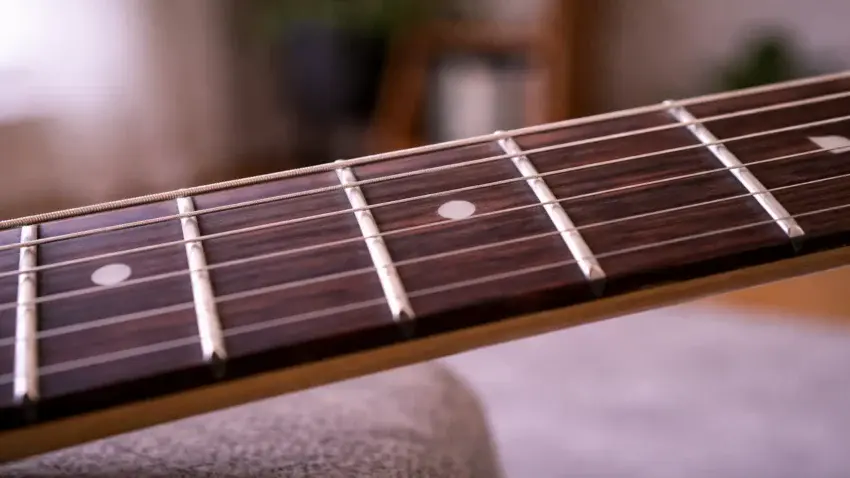
Buzzing strings and dead frets are some of the most frustrating problems guitar players run into — especially after a setup that seemed correct.
The mistake most people make is assuming buzz always means something is wrong or broken.
In reality, buzzing and dead notes usually point to tolerance limits, setup order issues,
or structural factors that can’t be forced away.
This guide explains why buzzing and dead frets happen,
how to tell what kind of problem you’re dealing with,
and when adjustment helps — and when it doesn’t.
This article is part of the Electric Guitar Setup Tools, Common Problems & Fixes guide,
which explains how to troubleshoot setup issues and know when adjustments should stop.
Buzzing Strings vs Dead Frets (They’re Not the Same)
These two problems feel similar but have different causes.
Buzzing strings
-
Notes still ring
-
Buzz may be audible acoustically
-
Sustain is usually intact
-
Buzz may disappear through an amp
Dead frets
-
Notes choke or die quickly
-
Sustain drops sharply
-
Often isolated to one or two frets
-
More serious than normal buzz
Knowing which one you’re dealing with prevents the wrong adjustments.
Common Causes of Buzzing Strings
Buzz is often the result of tight tolerances, not failure.
Common contributors include:
-
Very low action
-
Slight fret height variation
-
Aggressive picking or fretting
-
Seasonal neck movement
-
Normal acoustic string noise
Some amount of buzz is acceptable — especially if it doesn’t translate through the amplifier.
Why Dead Frets Are More Serious
Dead frets usually point to localized problems, such as:
-
Uneven fret height
-
High frets nearby
-
Neck irregularities
-
Structural inconsistencies
These are not problems that setup tweaks reliably fix.
Raising action may hide the issue, but it rarely solves it.
Why Setup Order Matters Here
Many buzzing issues come from adjusting things out of order.
If:
-
Neck relief isn’t correct
-
Action was set before relief
-
Intonation was adjusted too early
…the guitar may buzz even though each individual adjustment seemed reasonable.
This is why setup order exists — not to be rigid, but to keep problems predictable.
When Adjustments Help (And When They Don’t)
Adjustments can help when:
-
Buzz is mild and widespread
-
Action is extremely low
-
The neck recently experienced climate changes
Adjustments don’t help when:
-
Buzz is isolated to one fret
-
Notes choke during bends
-
Problems worsen with every change
-
The guitar stops responding logically
At that point, forcing adjustments usually causes more harm than good.
Why Raising Action Isn’t Always the Answer
Raising action is the most common reaction to buzz —
and often the least effective.
It can:
-
Reduce audible buzz
-
Increase playing effort
-
Mask underlying issues
But it won’t fix:
-
Uneven frets
-
Twisted necks
-
Structural problems
A guitar that only behaves at very high action is telling you something important.
When to Stop and Reassess
This is the most important skill in troubleshooting.
Stop adjusting if:
-
Every change creates a new problem
-
Measurements stop making sense
-
The guitar behaves inconsistently
-
You feel like you’re guessing
That’s not failure — it’s awareness.
Buzz Isn’t Always the Enemy
Many professional guitars:
-
Buzz slightly acoustically
-
Play clean through an amp
-
Feel fast and responsive
A guitar doesn’t have to be silent to be playable.
The goal is usable clarity, not perfection.
What Comes Next?
Once buzzing and dead fret behavior is understood, the next step isn’t another adjustment —
it’s deciding whether the guitar needs:
-
Time to settle
-
Minor follow-up later
-
Or professional fret work
That decision saves more guitars than any wrench ever will.
Final Thoughts…
Buzzing strings and dead frets don’t mean you failed a setup.
They mean the guitar is showing you its limits.
Knowing when to adjust — and when to stop —
is what separates calm setups from endless frustration.
GuitarCrafts is here to help you listen to the instrument instead of fighting it.
🎸 Craft it. Play it. Own it. 🎸
Ready to take your guitar passion beyond the workbench?
See how I built GuitarCrafts.com using the training at Wealthy Affiliate — you can do the same.
 Build Your First Website With Wealthy Affiliate (Free)
