
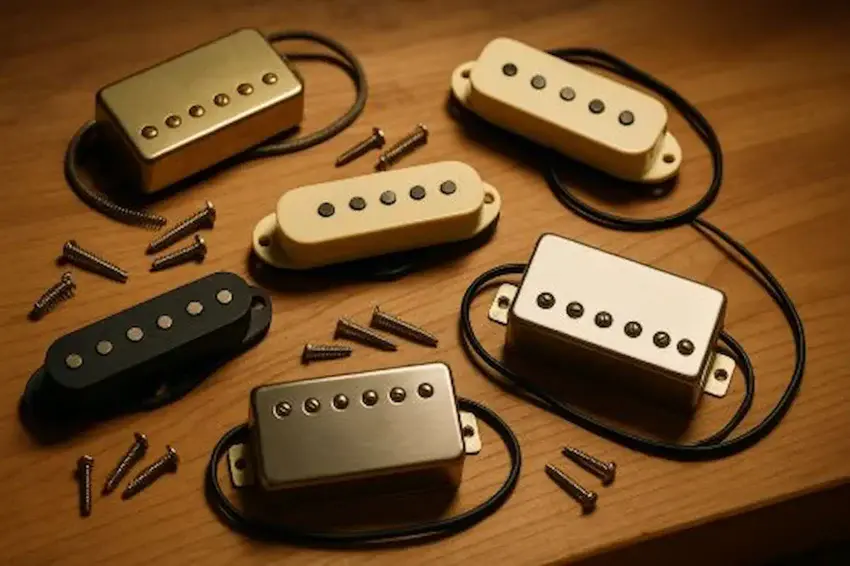
Guitar pickups might look like a small part of your electric guitar kit, but they have a massive impact
on your tone.
They’re the real engines behind your sound — shaping everything from warmth and clarity to
aggression and sustain.
Ever wonder why your favorite guitarist has such a unique voice on their instrument?
A huge part of that signature tone comes down to their pickup choice.
In this guide to the best pickups for your electric guitar kit, we’ll break down how different pickup
types color your sound, what makes one style better for certain genres, and how to choose the perfect
match for your build.
Whether you’re after vintage blues, modern metal, or clean studio sparkle, you’ll know exactly
what to look for.
👉 This guide is part of my Electric Guitar Pickups & Wiring Guide, which explains
how pickups, wiring, and electronics shape your guitar’s tone and performance.
👉 If you want to fine-tune your tone even further, check out:
Using Tone Pots & Capacitors to Shape Tone
or reduce unwanted noise with:
How To Shield Your Guitar’s Electronics For Noise Reduction.

Do Pickups Really Matter for Tone? Absolutely.
Pickups might look simple — a row of magnets wrapped in copper wire —
but they shape more of your guitar’s voice than almost anything else.
Every ounce of warmth, bite, clarity, twang, crunch, and sustain begins right here,
in that little magnetic field under your strings.
When your strings vibrate, the pickup turns those vibrations into an electrical signal.
That signal becomes your tone once it reaches the amp.
Change the pickup… you change the personality of the guitar.
Why Different Pickups Sound Different
Pickups aren’t all built the same, and those differences totally change the sound:
-
Different pickup designs create dramatically different tones —
from smooth vintage blues to sharp country twang or aggressive metal punch. -
Single coils are known for bright, crisp detail.
-
Humbuckers deliver thicker, richer tones with more power and less noise.
-
Windings, magnet type, and coil shape all tweak your tone even further.
Understanding these basics makes it easier to choose the pickup that fits your playing style.
Now let’s break down the two most common pickup types
— single-coil and humbucker —
so you can match the right voice to your style.
Think of Pickups Like the Vocal Cords of Your Guitar
Every guitarist has their own “voice” — that signature character you recognize instantly.
For your guitar, pickups are that voice.
Swap them, and your guitar can sound like a completely different instrument.
👉 👉 Want a deeper dive into each type?
Check out our guide on Understanding Humbucker vs Single-Coil Pickups in Kits.
Do Pickups Really Matter for Tone?
Absolutely — and here’s why…
Your guitar’s pickups act like tiny translators.
Every vibration from your strings gets interpreted through them before it ever reaches your amp.
Swap the translator, and the message changes completely.
A pickup can make your guitar sound smoother, sharper, louder, darker, brighter,
or more aggressive — sometimes instantly.
That’s why two identical guitars can feel worlds apart with nothing but a
pickup change.
How Pickups Actually Shape Your Tone
(Simple Breakdown)
Pickups don’t just “hear” your strings — they translate their vibrations into an electrical signal.
And the way they’re built changes everything about that translation.
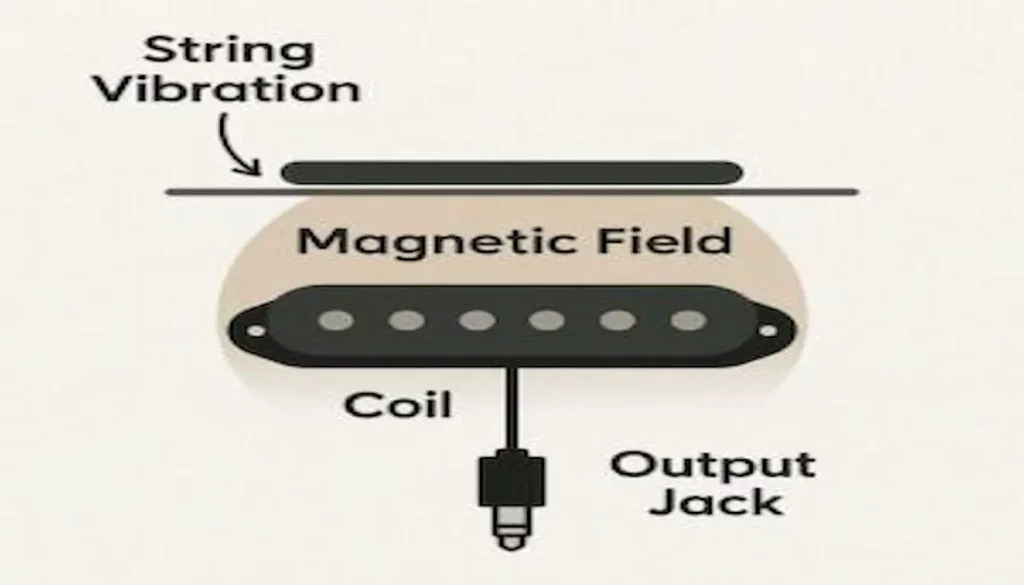
The diagram below shows what’s really happening under the strings:
the vibration disturbs the magnetic field, the coil turns it into a signal, and that becomes your
guitar’s voice.
⚡ How Guitar Pickups Create Sound
And this is why even a small pickup change on your kit guitar can make a huge impact
in your sound:
-
Different pickup designs
create wildly different tones —
from warm, smooth blues to sharp country twang or aggressive metal punch. -
Single coils give you bright, clear detail.
-
Humbuckers deliver thicker, richer sound with less noise.
-
Windings, magnet type, and coil shape tweak your tone even more.
Bottom line: pickups are the vocal cords of your guitar.
Swap them, and the whole “voice” of your instrument changes.
🎸 Single-Coil vs Humbucker
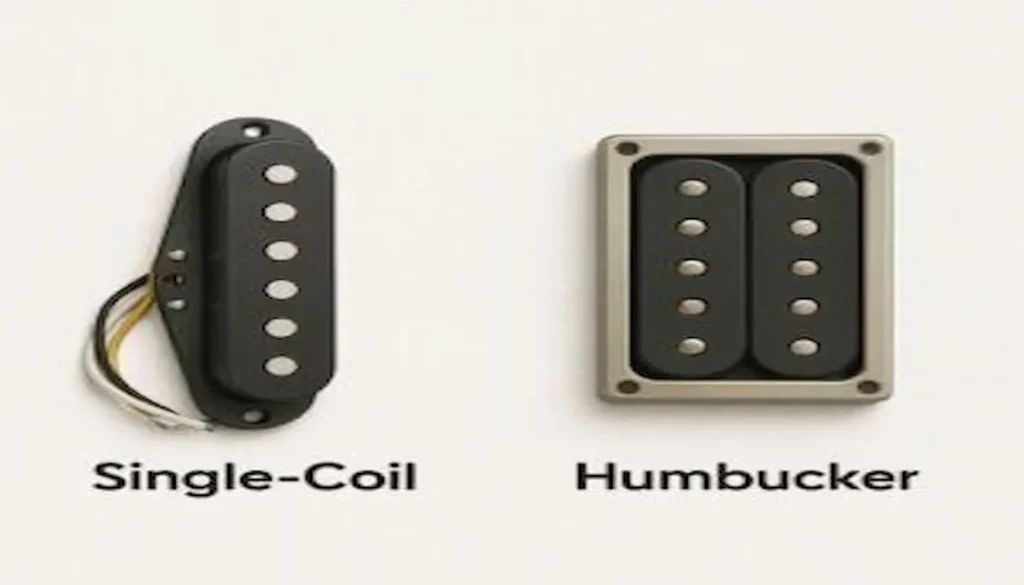
Single-coils give you brightness and clarity, while humbuckers deliver thicker,
fuller punch — but coil wind, magnet type, and output level all shape the voice too.
Understanding these basics sets you up for choosing the perfect pickup for your style.
👉 Quick Pickup Comparison (What Should You Choose?)
If you want a fast answer, here’s the easiest way to choose:
- All-around tone: Seymour Duncan JB/Jazz Humbucker Set
- Heavy / metal tones: EMG 81 Active Humbucker
- Clean Strat tone: Fender Tex-Mex Stratocaster Pickups
🔥 Best Pickup Upgrades For Your Guitar Kit
If you’re upgrading your guitar’s tone, pickups are the single most impactful change you can make.
The right set can completely transform your sound — from clean and bright to thick and aggressive.
👉 Best all-around upgrade:
Seymour Duncan JB/Jazz Humbucker Set—
Balanced output with strong mids and clarity, perfect for rock, blues, and versatile playing styles.
👉 Best for high-output and metal:
EMG 81 Active Humbucker —
Tight lows, aggressive mids, and powerful output for modern rock and metal tones.
👉 Best for classic single-coil tone:
Fender Tex-Mex Stratocaster Pickups —
Bright, articulate tone with the classic Strat-style snap and clarity.
🎸 Best Pickups for Your Electric Guitar Kit
(Top Recommendations)
🔥 Seymour Duncan JB (SH-4) – High-Output Humbucker
The Seymour Duncan JB (SH-4) is a high-output humbucker built for powerful tone,
delivering tight lows, strong sustain, and massive output.
It’s a proven, reliable choice for hard rock, metal, and lead players who want a pickup that cuts
through the mix with authority.
🌟 Amazon Product Suggestion:
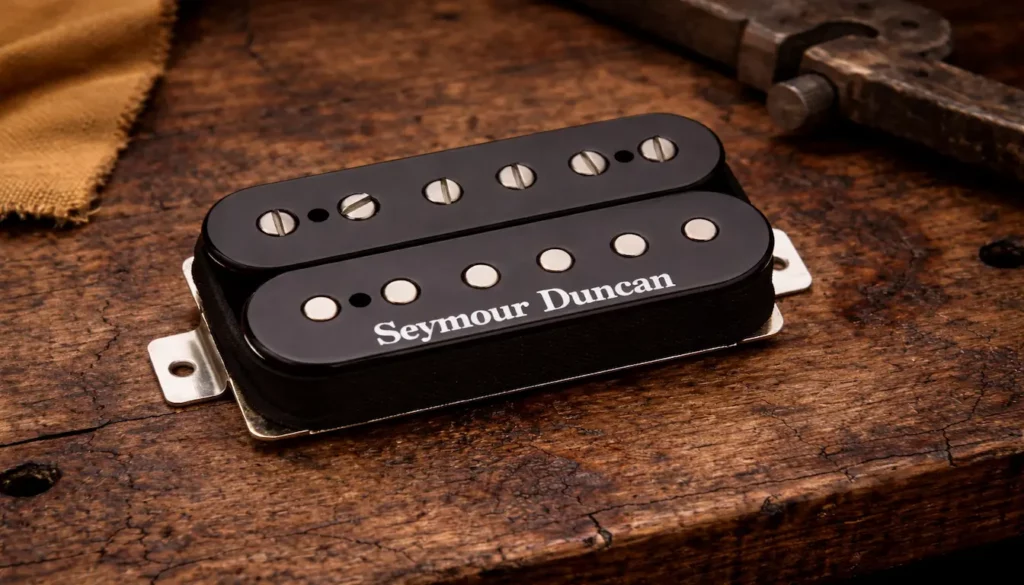
✔️ Seymour Duncan SH-4 JB
Model Bridge Humbucker
(Black)
The SH-4 JB delivers tight lows,
punchy mids, and clear highs
that stay articulate under gain.
A versatile bridge pickup for
rock, blues, and metal that
instantly upgrades your tone.
Why It’s Great:
✔️ Signature Seymour Duncan clarity & power
✔️ Tight lows with strong, cutting mids
✔️ Handles clean and high-gain tones well
✔️ One of the most popular bridge upgrades
🔥 Seymour Duncan ’59 Model – Vintage-Style Humbucker
The Seymour Duncan ’59 Model is a vintage-style humbucker known for its warm lows, smooth highs,
and classic PAF character.
It’s a versatile choice for blues, classic rock, and clean tones, working equally well for both rhythm
and lead playing.
🌟 Amazon Product Suggestion:
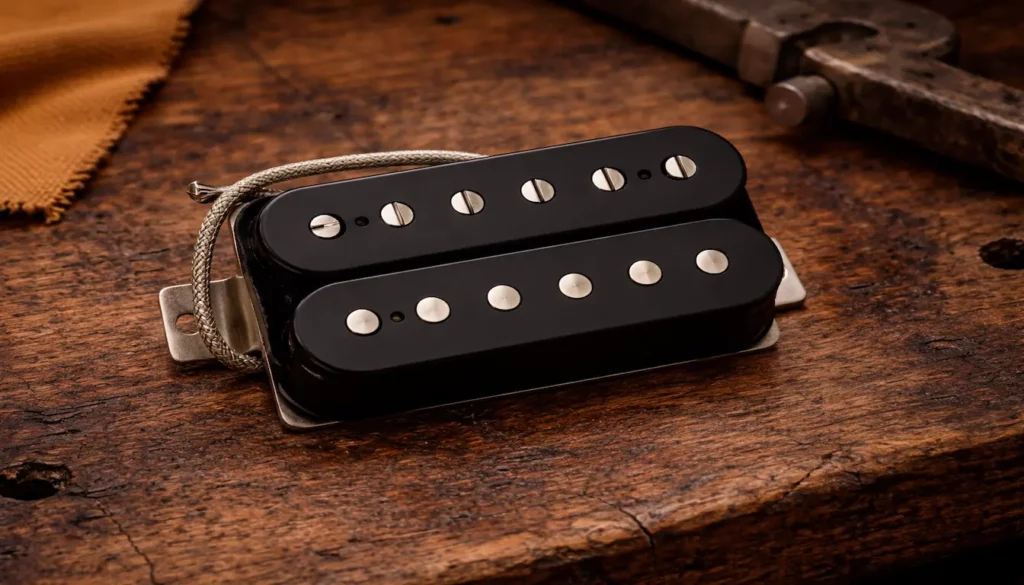
✔️ Seymour Duncan
SH-1b ’59 Model Neck Pickup
(Black)
Why It’s Great:
✔️ Classic PAF warmth with modern clarity
✔️ Smooth lows and sweet, expressive mids
✔️ Stays clear even under gain
✔️ Great for clean, crunch, and high-gain tones
🔥 Fender Tex-Mex Single-Coils – Hot, Spicy Strat Tone
The Fender Tex-Mex Single-Coils deliver a bright, punchy Strat tone with extra bite and character.
Slightly overwound for added output, they’re perfect for blues, rock, and clean tones that still cut
through the mix.
🌟 Amazon Product Suggestion:

✔️ Fender Tex-Mex
Stratocaster Pickups
Set of 3 (White)
Tex-Mex pickups deliver bright highs,
punchy mids, and tight bass with
classic Fender character.
A great Strat upgrade that adds output
and attitude without losing clarity.
Why It’s Great:
✔️ Overwound for extra output and bite
✔️ Fender sparkle with added mid punch
✔️ Alnico 5 magnets for bright, articulate tone
✔️ Complete 3-pickup set for Strat builds
🔥 Fender Vintage Noiseless Single-Coils – Quiet + Classic
The Fender Vintage Noiseless Single-Coils deliver classic Strat tone without the hum,
making them ideal for clean playing and studio use.
They offer smooth highs and excellent clarity while keeping your signal quiet and refined.
🌟 Amazon Product Suggestion:
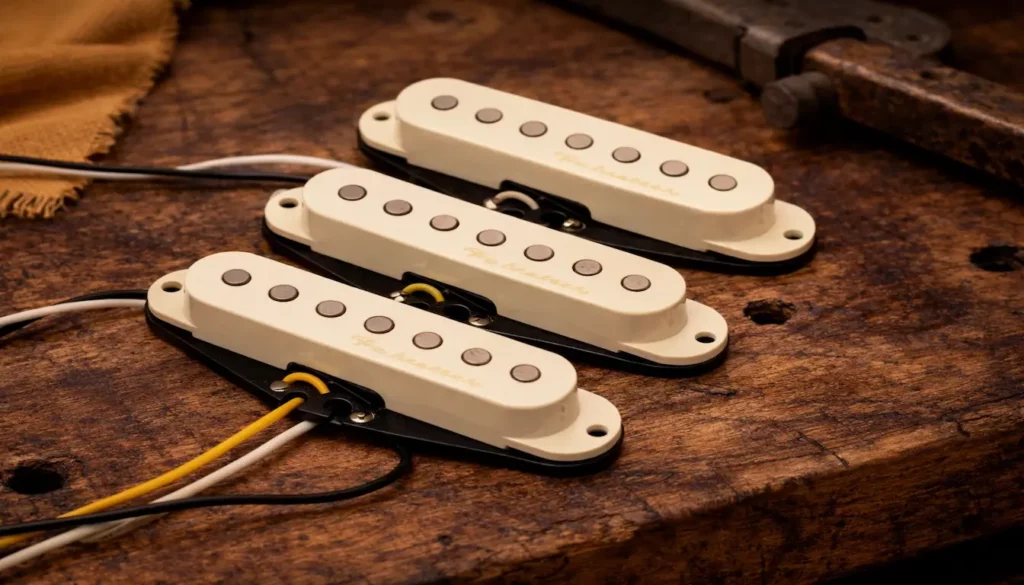
✔️ Fender Vintage Noiseless
Stratocaster Pickup Set
Aged White (3 Pickups)
Vintage Noiseless pickups deliver
classic Strat tone with sparkle,
tight bass, and zero hum.
Perfect for clean, articulate playing
with a timeless look.
Why It’s Great:
✔️ Hum-free stacked-coil design
✔️ Sparkling highs with tight bass
✔️ Great for clean and blues tones
✔️ Classic aged-white Fender look
🔥 EMG 81/85 Active Set – Modern Metal Power
The EMG 81/85 Active Set is built for modern metal, delivering ultra-tight low end, high output,
and exceptional clarity under heavy distortion.
It’s a top choice for high-gain players who want aggressive tone without muddiness.
🌟 Amazon Product Suggestion:
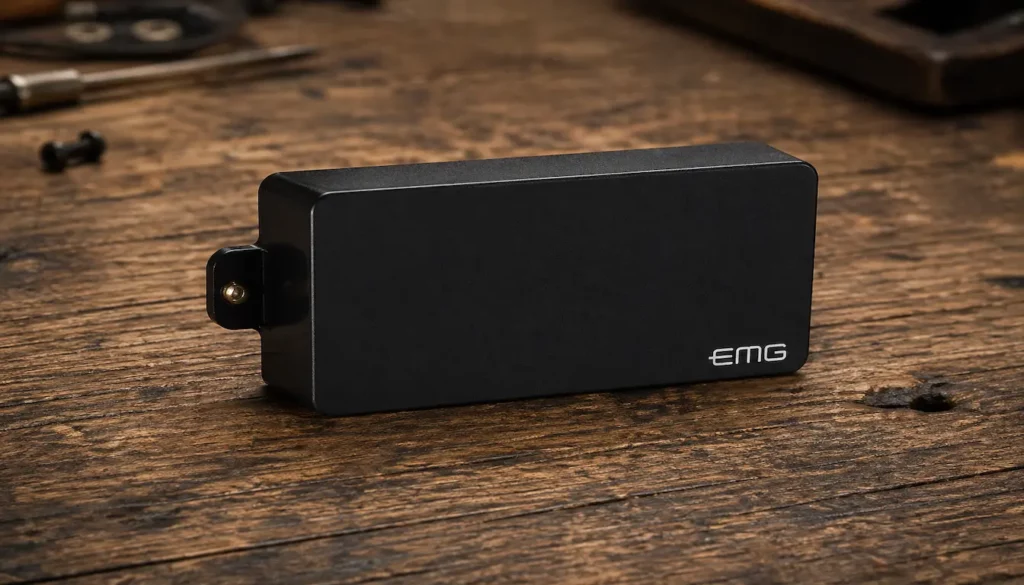
✔️ EMG 81 Active
Guitar Humbucker
Black (Bridge/Neck)
The EMG 81 delivers tight lows,
sharp attack, and high-output clarity.
Perfect for metal and modern rock
with zero noise.
Why It’s Great:
✔️ Active design for high output and no noise
✔️Tight lows with crisp attack
✔️ Ideal for metal and high-gain tones
✔️ Strong sustain and note clarity
👉 Best for:
Metal, high-gain rock, and players who want aggressive, tight, high-output tone
Pickup Position: A Key Factor in Shaping Your Tone
Pickup position is more than a technical detail — it’s one of the biggest tone-shapers on your guitar.
Neck position:
Warm, round, smooth. Perfect for solos, jazz licks, and anything buttery.
Bridge position:
Bright, tight, aggressive.
Cuts through a mix and gives you that punchy lead bite.
Middle position:
The “in-between” sweet spot.
Balanced tone that blends warmth + clarity — super versatile for all-style playing.
Knowing how each position changes the sound helps you choose pickups that
match your goals, whether you want warmth, bite, balance, or all three.
🎯 How Pickup Position Changes Tone

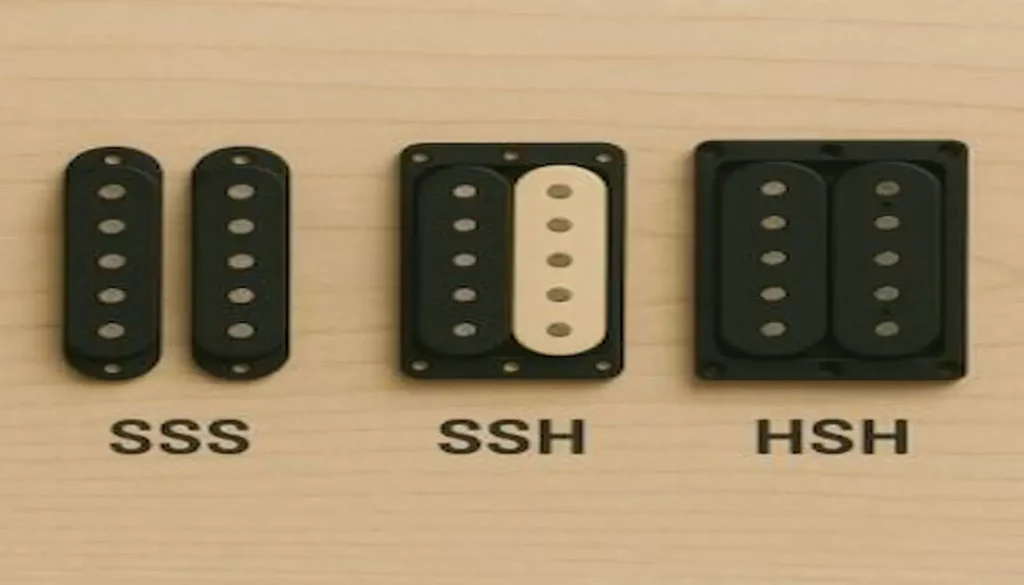
Examples of Common Three-Pickup Setups
SSS – three single-coil pickups
SSH – two single coils + one humbucker
HSH – one humbucker – one single coil – one humbucker
These layouts change the feel and flavor of your guitar:
-
SSS: Bright, snappy, classic Strat tones — great for blues, funk, and clean work.
-
SSH: Versatile combo that covers clean sparkle and high-gain bite.
-
HSH: Thick, powerful rock tones with added single-coil clarity in the middle.
Experimenting with these setups is part of the fun.
Blend positions, mix neck and bridge, and try different switching options —
you might find a tone you didn’t even know you loved.
Bottom line: your ideal setup comes down to the sound you want to spotlight.
Test a few combinations, find the sweet spot, and your guitar kit will feel custom-tailored to your style.
🎛️ Common Pickup Configurations Explained
Single Coil vs. Humbucker: The Great Pickup Debate (Simple + Clear)
When you’re choosing pickups for your guitar kit,
single coils and humbuckers offer totally different voices.
Knowing the difference helps you pick the tone that actually fits your style.
🌊 How Pickup Signals Are Differerent
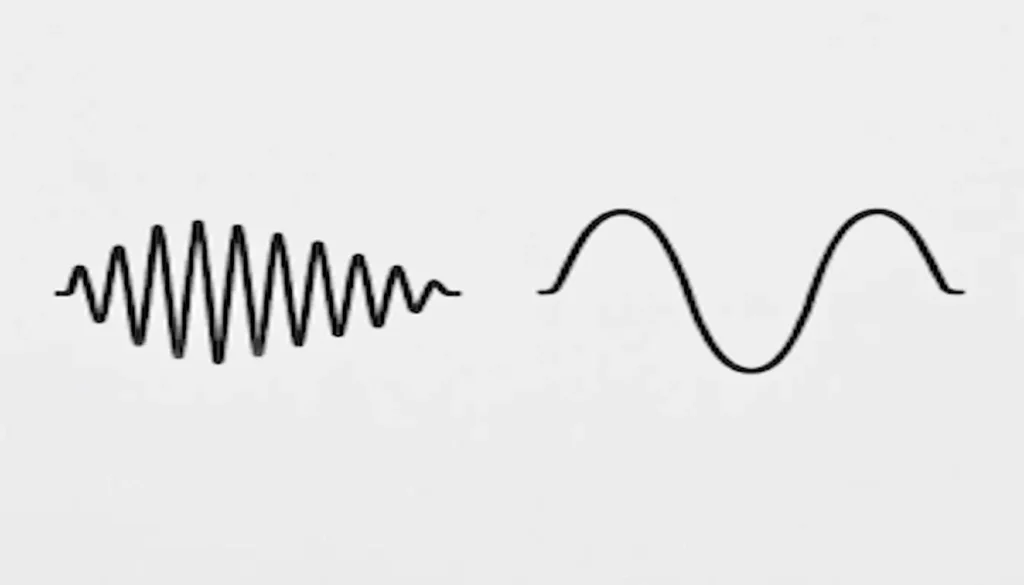
Single Coils
Bright, sharp, and defined.
Single coils cut through a mix and shine in blues, funk, country, indie, and clean rhythm playing.
Their crisp attack makes riffs stand out — but they also pick up a bit of noise.
Humbuckers
Thicker, fuller, smoother.
Humbuckers cancel hum, handle high gain without squeal, and deliver the punchy, powerful tones
you hear in rock and metal.
They’re great for beefy rhythms and singing lead lines.
Which one is “better”?
There’s no winner — it all depends on your voice as a player.
-
If you want bright clarity → single coils
-
If you want thick, powerful tone → humbuckers
-
If you play a mix of genres → a guitar with both opens up tons of tonal options
Bottom line:
Choose the pickup that fits the sound in your head.
Your guitar kit should match the style you love — and the music you actually play.
🏁 Final Thoughts…
Choosing the right pickups is a big step toward shaping the tone of your electric guitar kit —
but it’s just one piece of the puzzle.
Make sure your installation, wiring, setup, and basic build fundamentals are solid so your guitar
performs at its best.
And remember, every stage of the build contributes to your final sound.
The right tone starts with the right choices across every step of your build.
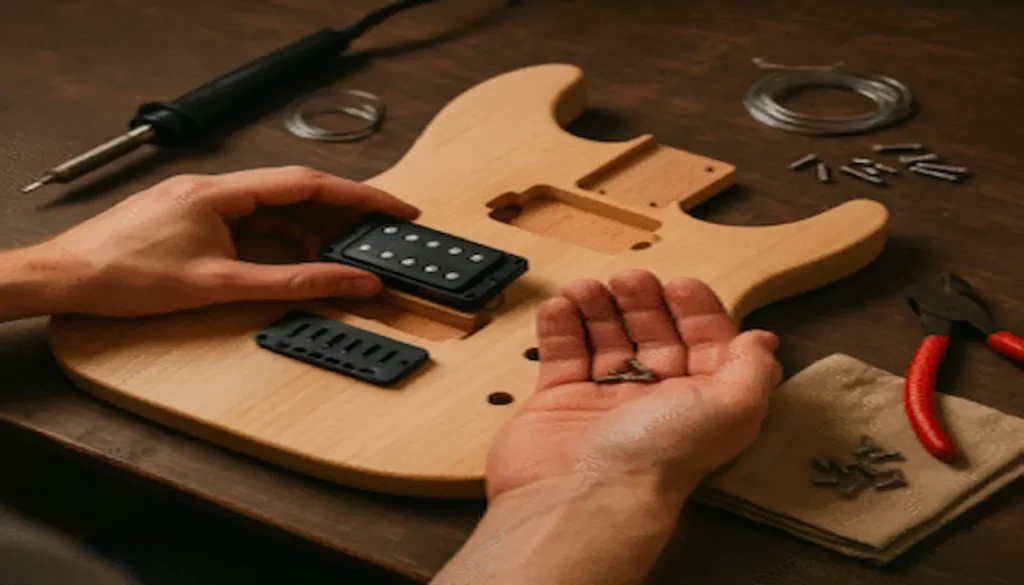
🎸 Where Your Guitar’s Voice Begins
 Ready to Start?
Here’s your next step —
pick one and go:
 New to guitar kits?
Start with
Step-by-Step Guide To Building
Your First Electric Guitar Kit
and
Essential Tools Every Electric Guitar Kit
Builder Should Have.
Already built a kit?
Jump into
How To Properly Set Up Your
Electric Guitar Kit For Intonation
or
Fixing Common Problems:
Buzzing And Dead Frets.
Chasing better tone?
Head to
Understanding Humbucker
Vs Single Coil Pickups In Kits
or
Playing With Tone Controls:
Tips For Electric Guitar Kits
and start experimenting.
 Your Guitar, Your Build,
Your Sound
You don’t need a custom shop or a tech on speed dial.
All you need is a little guidance, some patience,
and a place to go that shows you what to do next.
Come on man… You got this.
GuitarCrafts
is here to help you along the way.
Craft it. Play it. Own it!
This is such a well-rounded guide to pickups! I love how you break down the impact of pickup type, output, magnet material, and even position on tone. It really shows how personal and nuanced choosing pickups can be. The reminder that blending different pickups (like in HSH or SSH setups) offers so much tonal flexibility is spot on.
A couple of questions for you:
When experimenting with pickup combinations, have you found any surprising blends that work well across multiple genres? For someone building their first kit, do you recommend starting with one type of pickup and upgrading later, or investing in a versatile combo right away? Also, how much does the wiring and electronics setup affect the tone compared to the pickups themselves?
Thanks for sharing this—it’s a great resource for anyone diving into guitar builds! ~Leahrae
Thanks so much, Leahrae! I’m really glad you found the guide helpful. Pickups are definitely one of the most fun (and complex) parts of shaping your guitar’s voice. Great questions, too! One combo that surprised me was pairing a lower-output vintage-style neck humbucker with a hotter bridge single coil… great balance and super versatile across blues, indie, and even light rock. For first-time builders, I usually recommend starting with a versatile setup like HSS or SSH. It gives you a wide tonal range without needing immediate upgrades. And yes, wiring and electronics definitely play a big role; things like pot values, cap types, and even wiring style (like 50s vs modern) can subtly but meaningfully shift your tone.
It’s all part of the fun!
Thanks again!
I really enjoyed this guide @Wayne. Clear, practical, and full of tone-shaping wisdom. I came to guitar late in life thanks to my son, who plays beautifully and sparked my curiosity. He is a natural, I am not. Learning about pickups has been a whole new world for me, and your breakdown helped connect the dots between tone, style, and setup. Thanks.
The idea that pickups are like the “vocal cords” of the guitar really stuck with me. It’s surprising how much nuance they bring to the sound—and how personal the choice can be.
I really appreciate the clarity you provided and the clear passion behind this post!
MarkA
Thanks so much, Mark! I’m really glad the guide helped make the pickup puzzle a little clearer. That “vocal cords” idea is one of my favorite ways to explain them, because it really drives home how much personality they give a guitar. It’s awesome that your son inspired you to pick up the instrument—natural talent or not, the fact that you’re exploring and learning is what matters most. Pickups can be a rabbit hole, but a fun one, and I’m happy to hear this breakdown made the connections between tone, style, and setup click for you. Keep playing, keep experimenting, and enjoy the journey!
~Wayne
Fantastic guide! I really appreciate how you break down the impact of pickup type and position—it makes it so much easier to understand how to shape tone.
Quick question: for someone building a versatile kit meant for both blues and rock, would you recommend starting with a mix of single coils and humbuckers, or sticking to one type and experimenting with position and output instead?
Thanks so much! I’m glad the guide made pickup type and position easier to grasp. For a versatile blues-and-rock kit, a common approach is to mix single coils and humbuckers. This gives you bright, snappy tones for blues and thicker, warmer tones for rock. Another option is sticking to one type and experimenting with position, height, and output; it can simplify wiring and still cover a lot of ground. It really depends on whether you want maximum tonal variety or a more streamlined setup.
Either way, playing around with position and output can really help you dial in your ideal sound.
Thanks again,
~Wayne