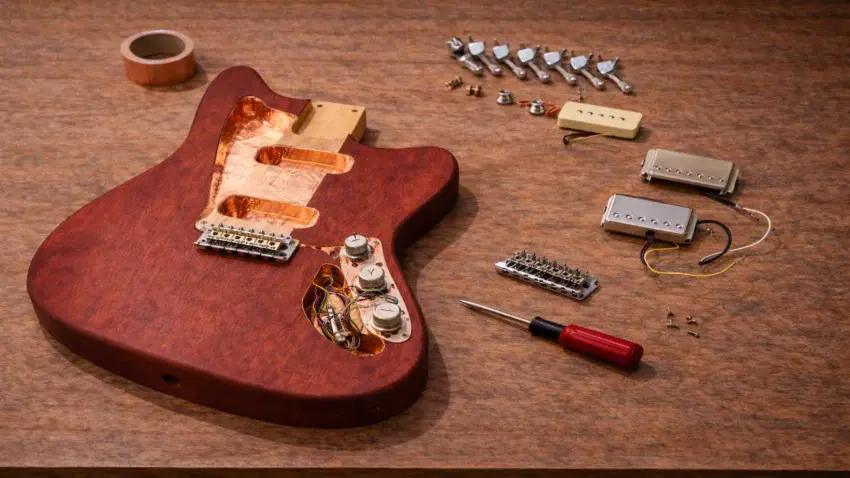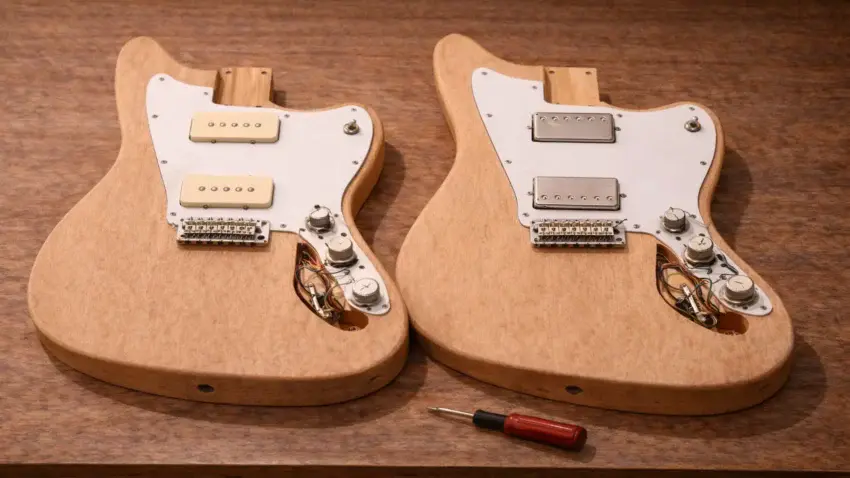
P90-style pickups sit in a unique middle ground. Players often describe them as bold, raw, and expressive — but also more demanding than other designs. They don’t feel as smooth as Strat-style pickups, and they’re not as tightly focused as Tele-style pickups either. This page focuses on feel and response, not construction details or specs,…
Author: Wayne
Why Strat-Style Pickups Feel Different to Play
Strat-style guitars are often described as smooth, flexible, and expressive. Players talk about them feeling “fluid” or “forgiving,” especially compared to more direct pickup designs. Those impressions come from how Strat-style pickups interact with your touch and dynamics. This page focuses on feel and response, not specs or wiring, to explain why Strat-style pickups often…
Why Tele-Style Pickups Feel Different to Play
Tele-style guitars have a reputation for being simple, direct, and honest. Players often describe them as “responsive,” “immediate,” or even “unforgiving.” Those impressions aren’t myths — they come from how Tele-style pickups interact with your playing. This page focuses on feel and response, not construction details or technical specs, to explain why Tele-style pickups often…
How Wiring Layouts Influence Feel and Consistency
When players think about wiring, they usually think in terms of diagrams, layouts, or modifications. But from a playing perspective, wiring matters for a much simpler reason: It affects how consistent and predictable the guitar feels while you play. This page focuses on how wiring layouts influence response, stability, and playing confidence — not how…
How Pickup Selector Switches Affect Feel and Playing Flow
Pickup selector switches are often treated as simple routing tools — something you flip to choose a sound and then forget about. But from a playing perspective, the selector does more than change tone. It affects flow, confidence, and how naturally you move through a song. This page explains how pickup selector switches influence playing…
How Volume Pots Affect Dynamics and Playing Control
Volume controls are often treated as simple loudness knobs. Many players set them once and forget about them, assuming they don’t affect feel as long as the sound level is acceptable. In reality, volume pots play a major role in how a guitar responds to your hands. They influence dynamics, touch sensitivity, and how controlled…
How Tone Pots Shape Feel and Control on Your Guitar
When players talk about guitar electronics, tone controls are often the most misunderstood part of the system. Many players treat the tone knob as a simple brightness cut — something to leave wide open or turn down when things get harsh. In reality, tone pots shape how the guitar feels under your fingers just as…
Choosing Pickups for Home Practice vs Live Playing
Where you play matters more than many players realize. A pickup that feels great at home can feel completely different on a stage, and a pickup that works perfectly live can feel awkward or uninspiring in a quiet room. That difference isn’t about volume alone. Home practice and live playing place very different demands on…
Choosing Pickups for Clean vs Distorted Tones
One of the most common ways players describe pickups is by how they sound when clean or distorted. But underneath those tone labels is something more practical and useful: How does the pickup respond when the signal is simple versus when it’s pushed harder? Clean and distorted playing place very different demands on a pickup’s…
Choosing Pickups for Rhythm vs Lead Playing
When players talk about pickup choice, it’s common to hear advice framed around genre or tone descriptors. But one of the most practical ways to think about pickups is much simpler: Do you spend more time playing rhythm, lead, or a mix of both? Your role in a song shapes how a pickup feels under…