
Skip to content
Electric Guitar Kits Logo
Menu
  • Home
  • Customization & Mods
    • Adding A Tremolo System To Your Electric Guitar Kit
    • Best Upgrades for Budget Guitar Kits (What Actually Makes a Difference)
    • D.I.Y. Fretboard Customization (Inlays, Radius & Leveling)
    • D.I.Y. Fretboard Inlays For Guitar Kits (Creative Upgrade Guide)
    • DIY Semi-hollow Guitar Kit Internal Chambers
    • D.I.Y. Custom Guitar Inlays (Step-By-Step Guide)
    • Electric Guitar Customization & Mods Guide
    • Guitar Fretboard Inlays Explained
  • Neck & Setup
    • Adjust Guitar Neck Truss Rod
    • Adjusting Action On An Electric Guitar
    • Adjusting Action And Intonation On Your Newly Built Guitar Kit
    • Comparing Bolt-on Vs Set Neck Electric Guitar Kits For Tone
    • How To Adjust Truss Rod For Neck Relief In Guitar Kits
    • How To Choose Between Neck-Through And Bolt-On Necks In Kits
    • How To Choose The Perfect Nut Material For Your Electric Guitar
    • How To Properly Set Up Your Electric Guitar Kit For Intonation
    • Refretting Your Electric Guitar Kit: When And How To Do It
    • How To Fix Buzzing Frets And Dead Notes On Your DIY Guitar Kit
    • Setting Up The Bridge And Neck On Your Electric Guitar Kit
  • Pickups & Wiring
    • Best Pickups for Guitar Kits (Budget to Pro Tone Upgrades)
    • Choosing Capacitors And Pots For Your Electric Guitar Wiring
    • Common Wiring Mistakes And How To Fix Your Electric Guitar Kit
    • Custom Wiring Patterns For Unique Guitar Sounds
    • Guide To Wiring Your Electric Guitar Kit For Optimal Performance
    • Guitar Pickups Guide: Choosing the Right Tone
    • How To Adjust Pickup Height On Electric Guitar
    • How Pickup Position Affects Electric Guitar Tone In Kits
    • How To Shield Your Guitar’s Electronics For Noise Reduction
    • Installing Pickups In Your Electric Guitar Kit: A Complete Guide
    • How To Upgrade Your Guitar Kit With Seymour Duncan & Fender Pickups
    • Step-by-step Soldering Guide For Your DIY Electric Guitar Kit
    • Best Affordable Guitar Pickups Under $100 (Budget Tone Upgrades That Deliver)
    • Understanding Humbucker Vs Single Coil Pickups In Kits
    • Ultimate Guide To Upgrading Pickups And Electronics In Guitar Kits
    • Using Tone Pots And Capacitors To Sculpt Your Sound
  • Tone & Playability
    • Adjusting Pickup Height For Optimal Sound On Your Guitar
    • Best Bluetooth Speakers for Music Lovers Who Care About Sound Quality
    • Effects Of Different Wood Types On Electric Guitar Tone
    • How Pickup Height Affects Electric Guitar Tone
    • Mastering Tone Controls on Your Electric Guitar Kit (Beginner-Friendly Guide)
    • Top DIY Electric Guitar Kits For Custom Tone
    • Wood Choices For Electric Guitar Kits: Expert Recommendations
  • Build Guides
    • Best Pro-level Electric Guitar Kit Build Guide
    • Budget Vs Premium Electric Guitar Kits: Which One To Choose?
    • Essential Tools Every Electric Guitar Kit Builder Should Have
    • Tools Needed For Building An Electric Guitar Kit
    • Beginner’s Guide: Building Your First Electric Guitar Kit Step-by-Step
    • String Changing Techniques To Protect Your Guitar
    • Best DIY Electric Guitar Kits for Custom Tone (2025 Guide)
    • Top Customizable Electric Guitar Kits For Modern Tone
    • Troubleshooting Common Issues During Electric Guitar Kit Assembly
  • Make Money Online
  • Solo Guitar Kits
    • Best Solo Guitar Kits (Complete 2025 Buying Guide)
    • Best Solo Strat-Style DIY Guitar Kits (Buying Guide)
    • Best Solo Tele-Style DIY Guitar Kits (Buying Guide)
    • Best Solo LP-Style DIY Guitar Kits (Beginner-Friendly Guide)
    • Best Solo SG-Style DIY Guitar Kits (Beginner Guide)
    • Best Solo Hollow Body Guitar Kits (Buying Guide)
    • Solo Tele Semi-Hollow DIY Kits
    • Best Solo Offset-Style DIY Guitar Kits (Buying Guide)
    • Solo Explorer & Fire-Style Guitar Kits — EXK, FBK & FVK
Menu
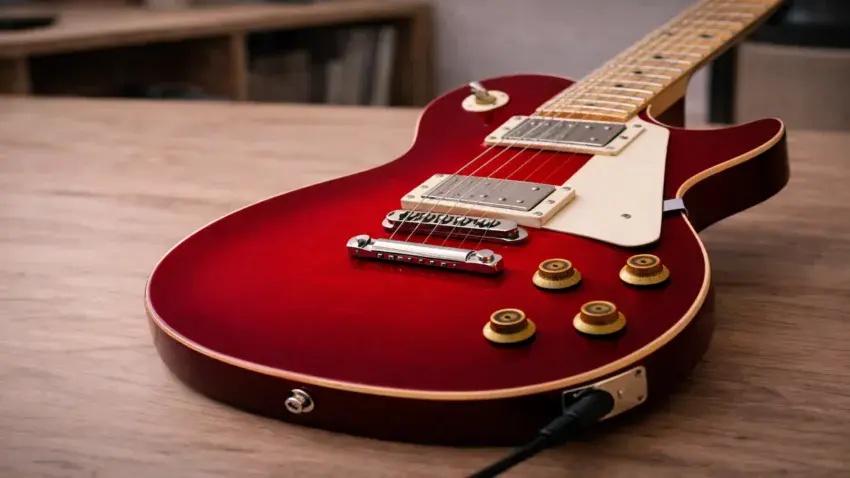
Ruby red electric guitar on a workbench with pickups and fretboard visible, showing rhythm versus lead playing context.

Choosing Pickups for Rhythm vs Lead Playing

Posted on January 20, 2026January 20, 2026 by Wayne

When players talk about pickup choice,
it’s common to hear advice framed around genre or tone descriptors.
But one of the most practical ways to think about pickups is much simpler:

Do you spend more time playing rhythm, lead, or a mix of both?

Your role in a song shapes how a pickup feels under your fingers. Rhythm and lead playing place very different demands on clarity, response, and consistency. Understanding those demands makes pickup decisions easier — and far less confusing.

This guide focuses on playing role, not specs or labels.


Why Rhythm and Lead Feel Different on the Guitar

Rhythm and lead playing use the guitar in different ways:

  • Rhythm playing emphasizes chord clarity, balance, and consistency

  • Lead playing emphasizes note separation, sustain, and responsiveness

A pickup that feels perfect for one role can feel frustrating in the other —
not because it’s “wrong,” but because it supports a different kind of interaction.

Pickup choice is about matching how the guitar responds to what you’re asking it to do most often.


What Rhythm Players Tend to Notice First

For rhythm-focused players, feel is often about control and balance.

Pickups that work well for rhythm playing often:

  • Keep chords clear without harsh peaks

  • Respond evenly across strings

  • Feel predictable under steady attack

  • Support consistent timing and dynamics

Rhythm players usually benefit from pickups that don’t exaggerate every nuance.
Too much sensitivity can make chord work feel uneven or distracting,
especially when playing fast or repetitive patterns.

The goal isn’t excitement — it’s reliability.


What Lead Players Tend to Notice First

Lead playing places different demands on a pickup.

Lead-focused players often look for pickups that:

  • Separate notes clearly

  • Respond quickly to changes in attack

  • Support sustain and phrasing

  • Feel expressive rather than rigid

Here, responsiveness matters more than consistency.
Small variations in touch are part of the performance, not something to be smoothed out.

Pickups that feel “alive” under the fingers often appeal more to lead players,
even if they feel less controlled for rhythm work.


Switching Roles Changes How Pickups Feel

Many players move between rhythm and lead within the same song.
In those cases, the best pickup choice is often about compromise and balance, not extremes.

Pickups that sit comfortably between rhythm stability and lead responsiveness tend to:

  • Feel adaptable rather than specialized

  • Require less adjustment when switching roles

  • Support a wider range of techniques

This is why players with mixed roles often describe certain pickups as “versatile” —
not because they do everything perfectly, but because they never feel out of place.


Role Matters More Than Genre

A common mistake is assuming that rhythm or lead pickup choices are tied directly to music style. In practice, role matters more than genre.

Two players in the same band can prefer very different pickups depending on:

  • How often they play leads

  • How complex their rhythm parts are

  • How much dynamic control they use

Thinking in terms of what you play, not what music you play, leads to better decisions.


How This Page Fits Into the Bigger Picture

This page is part of the larger guide on choosing pickups based on playing style.

If you haven’t already, the main framework is outlined here:
👉 Choosing the Right Pickup Type for Your Playing Style

That guide explains how role, environment, and technique influence pickup decisions
beyond just rhythm versus lead playing.


Final Thoughts…

Choosing pickups for rhythm or lead playing isn’t about following rules —
it’s about supporting how you actually use the guitar.
Rhythm players often value balance and consistency.
Lead players often value responsiveness and expression.

Once you’re clear on which role dominates your playing,
pickup choices become more practical and far less overwhelming.

The right pickup is the one that stays out of your way and lets you focus on the part you’re playing.


Ready to Start Adjusting Your Tone?

Check out our other guides:

👉 If you’re new to guitar kits:
Start with Step-by-Step Guide To Building Your First Electric Guitar Kit and Essential Tools Every Electric Guitar Kit Builder Should Have.

👉 If you already own a kit guitar:
Jump into How To Properly Set Up Your Electric Guitar Kit For Intonation or Fixing Common Problems: Buzzing And Dead Frets.

👉 If you’re chasing better tone:
Head to Understanding Humbucker Vs Single Coil Pickups In Kits or Playing With Tone Controls: Tips For Electric Guitar Kits and start experimenting.


Your Guitar, Your Build, Your Sound

You don’t need a custom shop or a tech on speed dial.
All you need is a little guidance, some patience, and a place to go that shows you what to do next.
Come on man… You got this.

GuitarCrafts is here to help you along the way.


🎸Craft it. Play it. Own it! 🎸


Ready to take your guitar passion beyond the workbench?

See how I built GuitarCrafts.com using the training at Wealthy Affiliate — you can do the same.
👉👉 Build Your First Website With Wealthy Affiliate (Free)

Wealthy Affiliate Internet Marketing University Banner


Leave a Reply Cancel reply

Your email address will not be published. Required fields are marked *

Learn to make money in the comfort of your own home!

  • Facebook
  • Pinterest
  • YouTube

Recent Posts

  • Best Budget Humbuckers for Metal (Under $100)
  • Best Budget Pickups for Blues Guitar (Under $100)
  • Best Budget Humbuckers for SG Kits (Under $100)
  • Best Budget Humbuckers for Les Paul Kits (Under $100)
  • Best Affordable Guitar Pickups Under $100 for Blues / Vintage Tone
  • About Me...
  • Affiliate Disclosure
  • Best Solo Guitar Kits (Complete 2025 Buying Guide)
  • Best Solo Hollow Body Guitar Kits (Buying Guide)
  • Best Solo LP-Style DIY Guitar Kits (Beginner-Friendly Guide)
  • Best Solo Offset-Style DIY Guitar Kits (Buying Guide)
  • Best Solo SG-Style DIY Guitar Kits (Beginner Guide)
  • Best Solo Strat-Style DIY Guitar Kits (Buying Guide)
  • Best Solo Tele-Style DIY Guitar Kits (Buying Guide)
  • Build Your Own Dream Guitar Kit (Without Feeling Overwhelmed)
  • GuitarCrafts Homepage
  • How I Started Making Money Online With Wealthy Affiliate
  • Privacy Policy
  • Solo Explorer & Fire-Style Guitar Kits — EXK, FBK & FVK
  • Solo Guitars Review (2025): Are Their DIY Guitar Kits Worth It?
  • Solo Tele Semi-Hollow DIY Kits

Archives

  • February 2026
  • January 2026
  • December 2025
  • November 2025
  • September 2025
  • August 2025
  • July 2025

Categories

  • Build Guides
  • Buying Guides
  • Customization & Mods
  • Neck & Setup
  • Pickups & Wiring
  • Tone & Playability
  • Uncategorized
© 2026 My Electric Guitar Kits Site | Powered by Superbs Personal Blog theme