
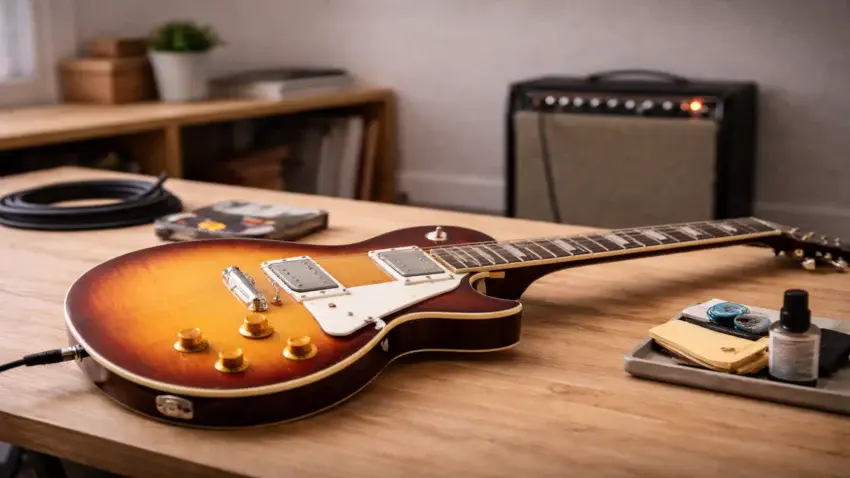
When beginners start researching guitar pickups, the conversation usually jumps straight into specs — output levels, magnet types, wiring options, and endless brand debates.
But before any of that matters, there’s a much bigger question to answer:
How do you actually play the guitar?
Your playing style affects pickup choice more than most technical specs ever will.
The way you pick, how aggressive you play, the tones you chase, and even where you practice all shape what kind of pickup setup will feel right to you.
This guide focuses on real-world playing experience, not confusing technical jargon.
The goal is simple: help you understand pickup types based on how you play — not how the internet says you should play.
🎸 New to guitar pickups?
Start with our guide to Understanding Humbucker Vs Single Coil Pickups In Kits before choosing upgrades.
🎸 Tone Starts With The Right Foundation
🎵 Why Playing Style Comes Before Pickup Specs
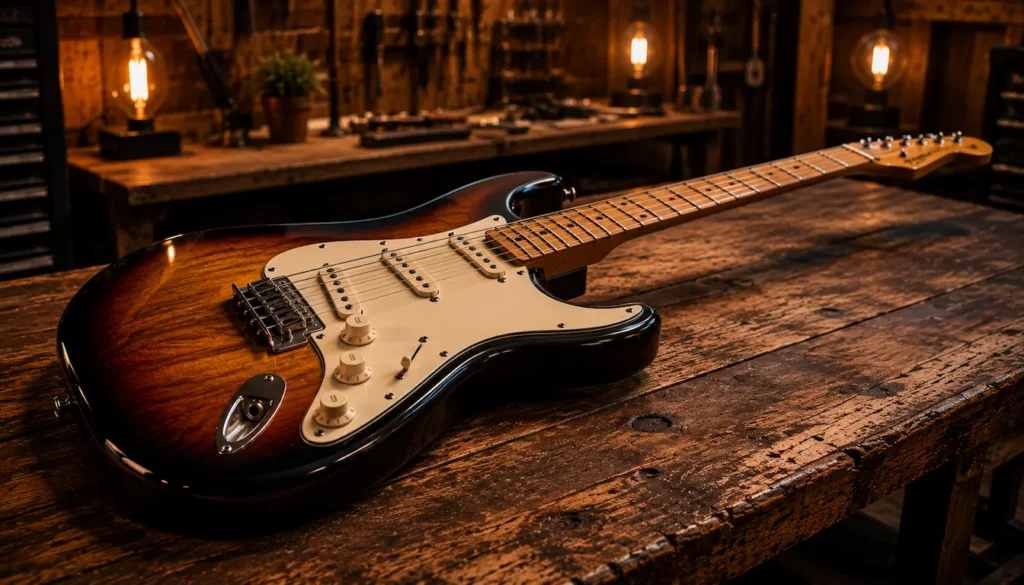
Pickups don’t exist in isolation.
They respond to:
-
How hard or softly you pick
-
Whether you play rhythm, lead, or both
-
How much dynamic control you use
-
Whether your playing relies on
touch, sustain, or articulation
Two players can use the same pickup and sound completely different because their playing styles activate the pickup differently.
That’s why choosing a pickup based purely on specs or popularity often leads to disappointment.
Before chasing specs or upgrades, focus on how the pickup actually responds to your playing style.
🎸 Broad Pickup Categories (Without the Jargon)
Most electric guitar pickups fall into a few broad categories.
You don’t need deep electronics knowledge to understand how they relate to playing style.
Some pickups emphasize clarity and touch sensitivity.
These tend to respond strongly to small changes in how you play, making them feel expressive and dynamic.
Others emphasize consistency and output.
These smooth out variations in attack and can feel more controlled or forgiving, especially when playing with more intensity.
Neither approach is “better.”
They simply support different ways of playing.
The key takeaway here is that pickup choice isn’t about chasing tone labels — it’s about matching how the pickup reacts to how you play.
🎸 Every Guitar Has Its Own Personality
🔥 Playing Style Is About Role, Not Genre
One of the most common mistakes beginners make is choosing pickups based on music genre alone.
Genre can be helpful context, but it’s not the deciding factor.
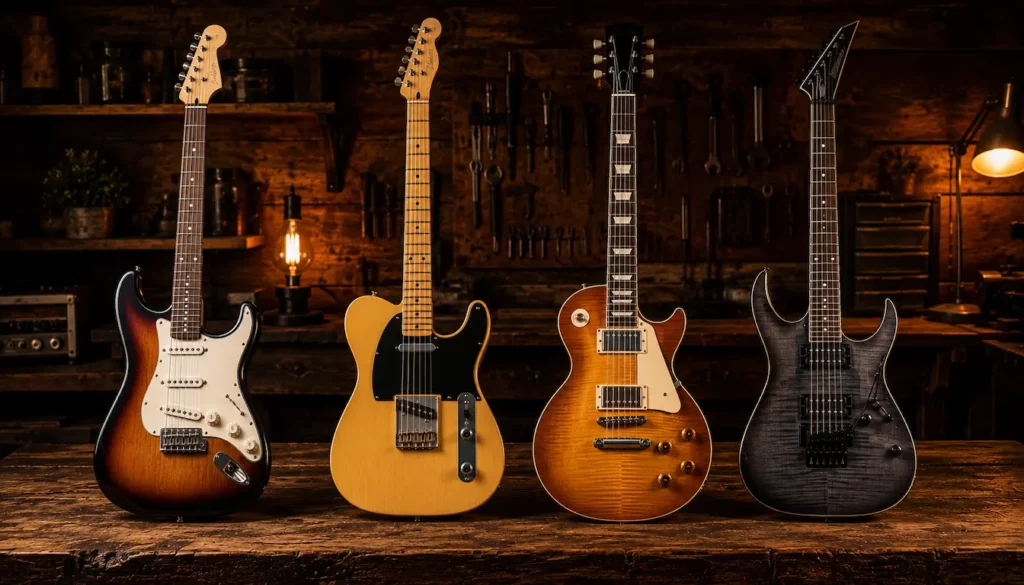
Rhythm players usually benefit from pickups with balance, clarity, and tight note definition.
Lead-focused players often prefer sustain, warmth, and a smoother response.
Players who switch between both roles typically lean toward versatile setups that can handle a wider range of tones.
The important part isn’t the genre — it’s how the guitar needs to respond while you play.
🌎 Environment Matters More Than You Think
Where you play also shapes how pickups feel and behave.
-
Playing mostly at home emphasizes control, dynamics, and responsiveness
-
Playing live emphasizes consistency and reliability
-
Switching between environments often favors versatility over specialization
A pickup that sounds amazing at home might feel completely different in a live mix or rehearsal setting.
That’s why versatility and responsiveness often matter more than raw output specs.
🎛️ Pickup Type Is Only Part of the Picture
It’s important to understand that pickup type alone doesn’t determine your sound or playing experience.
Other factors — including guitar setup, electronics, and pickup placement — play a major role in how a pickup behaves.
Pickup type is only part of the equation — where that pickup sits on the guitar also plays a major role in how it responds and feels, which is explained in detail in How Pickup Position Affects Electric Guitar Tone In Kits.
Pickup choice is only one part of shaping your sound — the guitar’s electronics play a major role in how that pickup responds and feels, which is explored in How Guitar Electronics Shape Tone Beyond Pickups.
⚡ There Is No “Wrong” Choice
This is worth saying clearly:
There is no universally correct pickup choice for a given playing style.
Pickup selection is about support, not limitation.
The right pickup makes your playing feel natural and responsive — not forced or restrictive.
Many players use pickups that don’t match stereotypes and get excellent results because the pickup works with their technique.
The goal is understanding, not perfection.
🛠️ How to Use This Page Going Forward
This page is designed to help you frame decisions, not finalize them.
As you explore more specific pickup topics — rhythm vs lead, clean vs distorted, home vs live use — this page serves as a reference point to keep everything grounded in how you play, not what you’re told to buy.
This is the foundation.
The details come next.
🎸 Feel Matters Just As Much As Tone
🏁 Final Thoughts…
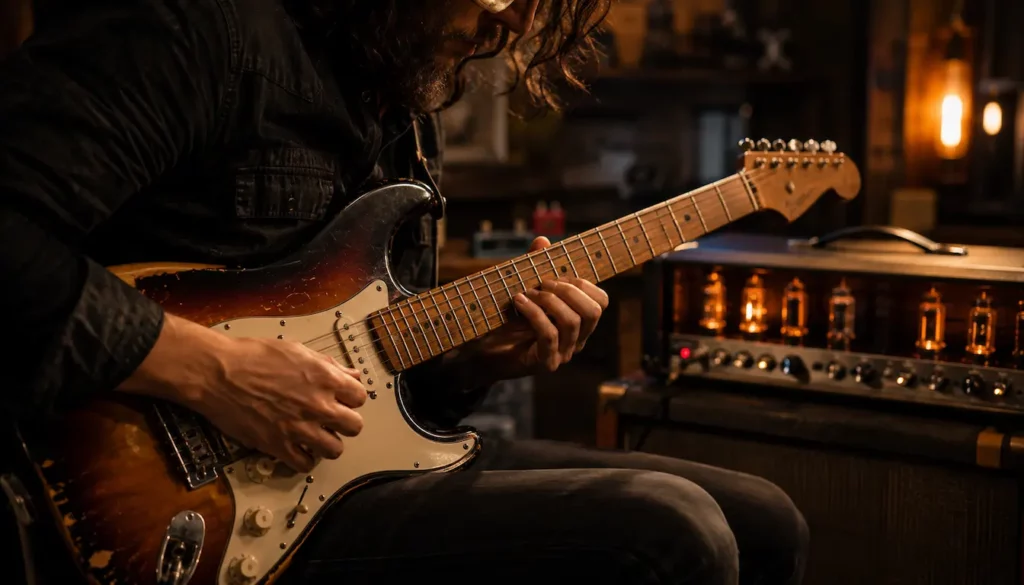
Choosing a pickup isn’t about finding the “best” option on paper — it’s about finding what supports the way you play.
Your technique, your role in a song, and your playing environment all shape how a pickup responds, often more than the pickup’s technical specifications.
That’s why understanding playing style first makes everything else easier.
Once you’re clear on how you interact with the guitar, pickup discussions stop feeling confusing or contradictory.
They start feeling practical.
This page isn’t meant to give you a final answer — it’s meant to give you a framework.
As you explore more specific pickup topics, you’ll be able to evaluate them through the lens of your own playing instead of chasing recommendations that don’t fit your context.
If you understand how you play, the right pickup choice usually becomes obvious.
 Ready to Start?
Here’s your next step —
pick one and go:
 New to guitar kits?
Start with
Step-by-Step Guide To Building
Your First Electric Guitar Kit
and
Essential Tools Every Electric Guitar Kit
Builder Should Have.
Already built a kit?
Jump into
How To Properly Set Up Your
Electric Guitar Kit For Intonation
or
Fixing Common Problems:
Buzzing And Dead Frets.
Chasing better tone?
Head to
Understanding Humbucker
Vs Single Coil Pickups In Kits
or
Playing With Tone Controls:
Tips For Electric Guitar Kits
and start experimenting.
 Your Guitar, Your Build,
Your Sound
You don’t need a custom shop or a tech on speed dial.
All you need is a little guidance, some patience,
and a place to go that shows you what to do next.
Come on man… You got this.