
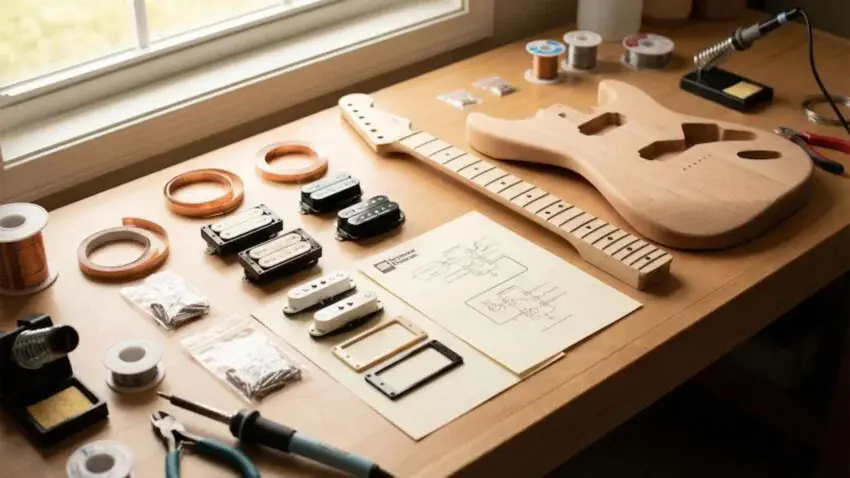
If you’re ready to squeeze every ounce of tone out of your DIY build,
How To Upgrade Your Guitar Kit With Seymour Duncan & Fender Pickups is the perfect place to start. Swapping out the stock pickups for high-quality humbuckers or Strat single-coils instantly lifts your kit into pro-level territory, giving you more clarity, richer dynamics, and the exact character you want.
In this guide, you’ll learn how to choose the right Seymour Duncan or Fender set, prep your kit, and install everything cleanly — whether you’re chasing JB aggression, ’59 warmth, Tex-Mex bite, or classic noiseless Strat sparkle.

🎸Recommended Pickups for This Upgrade
Before diving into the step-by-step install, here are the pickups that deliver the biggest jump in tone, clarity, and responsiveness when upgrading a DIY guitar kit.
This lineup covers everything from high-output Seymour Duncan aggression to Fender-style Strat sparkle, giving you pro-level options no matter what style you’re building.
These are the exact pickups I trust in my own kits —
Drop-in ready, reliable, and guaranteed to wake up your guitar.
Seymour Duncan SH-4 JB Model Bridge Humbucker
If you want a bridge pickup that instantly wakes up any DIY kit, the Seymour Duncan SH-4 JB is one of the most reliable upgrades you can make. It delivers high output, tight lows, and singing mids —
Perfect for turning a basic build into a true rock machine.
 Amazon Product Suggestion:
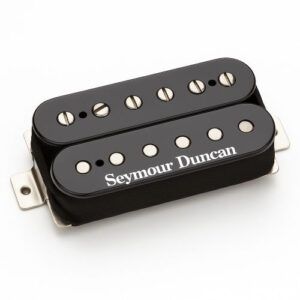
 Seymour Duncan SH-4 JB Model Bridge Humbucker
(Black)
The JB Model delivers a big, full low end, a focused midrange bump, and a clear, singing top end that keeps single-note leads articulate even under heavy gain.
Whether you’re building a hot-rodded super-strat or upgrading a budget kit, the SH-4 instantly transforms your tone from “meh” to pro-level.
It pairs perfectly with almost any neck pickup and works great for anything from classic rock to metal, punk, grunge, fusion, and modern blues.
If you want versatility and attitude in the bridge, this is the one.
Why It’s Great:
Signature Seymour Duncan clarity & power
Tight lows with added chunk for huge rhythm tone
Upper-mid presence that cuts through any mix
Balanced enough for clean styles, brutal enough for high-gain
The world’s most popular aftermarket bridge humbucker
Perfect upgrade for guitar kits — dramatic improvement over stock pickups
Seymour Duncan SH-1b ’59 Model Neck Pickup
If you’re after smooth, vintage-style warmth in the neck position, the Seymour Duncan SH-1b ’59
delivers that classic clarity and rounded tone.
It’s the perfect match for a JB bridge or any kit that needs a rich, expressive neck voice.
Amazon Product Suggestion:
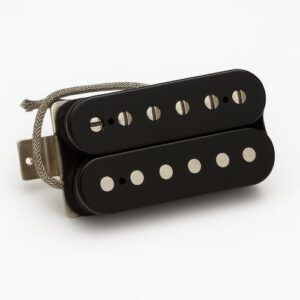
Seymour Duncan SH-1b ’59 Model Neck Pickup
(Black)
The ’59 delivers round lows, sweet mids, and a clear, airy top end
that never gets muddy — even with darker tonewoods.
It’s built with a vintage-output wind, Alnico V magnet, and classic Seymour Duncan clarity that makes chords bloom and lead lines sing.
If you want a neck pickup that does everything well —
jazz, blues, rock, fusion, and even high-gain solos — this one nails it.
It keeps definition, stays warm, and gives your guitar a “grown-up,” professional voice.
Why It’s Great:
Classic PAF warmth with modern clarity
Smooth lows and sweet mids for rich, expressive tone
Stays articulate — no mud, even with heavy gain
Perfect match for the SH-4 JB bridge pickup
Versatile enough for clean, crunch, and high-gain playing
Ideal upgrade for guitar kits — massive improvement over stock neck pickups
Fender Tex-Mex Stratocaster Pickups
If you want hotter-than-vintage Strat tone with extra bite and Texas-style attitude, the Fender Tex-Mex set is a killer upgrade. These pickups bring bold mids, snappy highs, and enough output to push your amp into that sweet, gritty edge-of-breakup zone.
Amazon Product Suggestion:
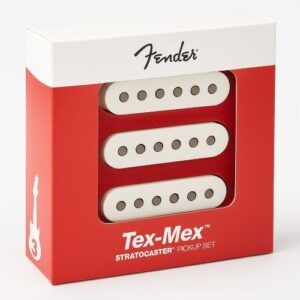
Fender Tex-Mex Stratocaster Pickups
Set of 3 (White)
The Tex-Mex set uses Alnico 5 magnets and slightly hotter winds, giving you snappy treble, strong mids, and tight bass that cuts through a mix without losing that Fender single-coil character.
They shine for clean styles, but really come alive when pushed…
think crisp edge-of-breakup, tube-amp sizzle, and fat blues leads.
Perfect for upgrading a Strat-style kit or any S-type guitar that needs more attitude while keeping that unmistakable Fender DNA.
Why They’re Great:
Overwound Strat pickups for extra output & bite
Classic Fender sparkle with added midrange punch
Alnico 5 magnets for bright, articulate tone
Excellent for blues, rock, country, and Tex-style drive
Complete 3-pickup set — neck, middle, and bridge
Huge upgrade over stock S-style kit pickups
Fender Vintage Noiseless Stratocaster Pickup Set
If you want classic Strat chime without the 60-cycle hum, the Fender Vintage Noiseless set is the perfect upgrade. These pickups deliver crisp, glassy tone while keeping your signal clean and quiet —
Ideal for studio work, clean rigs, and precision playing.
Amazon Product Suggestion:
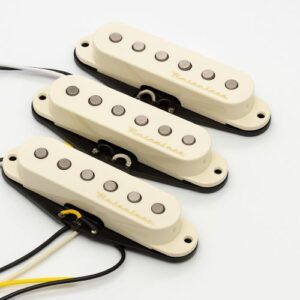
Fender Vintage Noiseless Stratocaster Pickup Set
Aged White (3 Pickups)
Built with Fender’s stacked-coil noiseless design, these pickups deliver sparkling highs, tight bass, and scooped mids, giving you that unmistakable Strat character without the background hiss.
They’re perfect for blues, surf, funk, worship, classic rock…
anything that needs crystal-clear single-coil tone with modern noise control.
The aged-white covers give them a vintage aesthetic that looks incredible on any Strat-style kit, especially relic, cream, or off-white builds.
Why They’re Great:
Noiseless stacked-coil design — zero hum, vintage tone
Sparkling Strat highs with scooped mids and tight bass
Perfect for clean, funk, blues, and edge-of-breakup tones
Great upgrade for Strat-style DIY kits
Aged white covers add a classic, vintage-correct look
Fender’s premium-quality noiseless line
👉 Before You Begin the Upgrade
Before you drop in your new pickups, take a minute to get your workspace set and your kit prepped. Upgrading electronics is one of the biggest tone-shaping moves you can make, and following a clear process keeps everything clean, safe, and frustration-free.
The steps below walk you through the entire upgrade — from removing the stock parts to wiring, mounting, and final setup — So your new pickups perform at their absolute best.
Step-By-Step Pickup Upgrade Guide
1. Remove the Strings and Clear the Work Area
Loosen and remove your strings to give yourself full access to the pickup cavities and control area. Keep hardware in a small tray so nothing gets lost during the swap.
👉👉 Pro Tip: Take a quick photo of your wiring before touching anything —
It’s a lifesaver later.
2. Open the Control Cavity or Pickguard
Unscrew the back plate or lift the pickguard to expose the factory wiring.
Keep the screws grouped so they go back into the same spots.
👉👉 Pro Tip: Lay a microfiber cloth under the pickguard to prevent scratches.
3. Desolder the Factory Pickups
Heat each connection carefully and pull the old pickup wires free.
Move slowly — rushing can lift solder pads or melt insulation.
👉👉 Pro Tip: Use the tip of your iron, not the side. Cleaner heat = cleaner pads.
4. Test-Fit the New Pickups
Drop your Seymour Duncan or Fender pickups into place to ensure they fit the cavities and mounting holes. Adjust the height screws as needed.
👉👉 Pro Tip: If the pickup tilts, add a little foam or tubing under the base for support.
5. Route the Wires Cleanly
Feed the new pickup leads through the body channels or under the pickguard.
Keep wires organized and out of the tremolo or control-knob paths.
👉👉 Pro Tip: A single zip tie keeps everything tidy and reduces hum issues.
6. Follow the Correct Wiring Diagram
Match each color-coded wire to the correct lug or solder point.
Seymour Duncan, Fender Tex-Mex, and Noiseless each use different color codes.
👉👉 Pro Tip: Keep the manufacturer’s wiring diagram open on your phone so you never guess.
7. Solder Each Connection Cleanly
Heat the lug, not the wire, and apply solder until the joint flows and forms a smooth, shiny dome.
Cold joints will cause noise.
👉👉 Pro Tip: If a joint looks dull or lumpy, reflow it now — don’t wait until troubleshooting.
8. Mount the Pickups Securely
Screw each pickup into its ring or pickguard and make sure the springs compress evenly. Aim for even height from bass to treble sides.
👉👉 Pro Tip: Start with 3/32” from the strings on humbuckers, 1/8” on single coils,
then dial it in by ear.
9. Reassemble the Guitar
Put the pickguard or control plate back on, reinstall screws, and make sure no wires are pinched.
Add the back plate if your guitar uses one.
👉👉 Pro Tip: Don’t overtighten—stripped holes love to ruin your day.
10. Restring and Fine-Tune Pickup Height
Install fresh strings, tune to pitch, and adjust each pickup’s height until you find the balance of output, clarity, and dynamics you like.
👉👉 Pro Tip: Raise the pickup until the tone gets too aggressive, then back it off slightly for the sweet spot.
🔥Final Thoughts…
Upgrading your DIY guitar kit with Seymour Duncan or Fender pickups is one of the fastest ways to turn a basic build into a truly expressive instrument. With better clarity, stronger output, and more dynamic response, these pickups unlock tones that simply aren’t possible with stock electronics.
Whether you’re chasing JB aggression, vintage ’59 warmth, Tex-Mex bite, or quiet Strat sparkle,
the right set makes your kit feel like a professional-grade guitar the moment you plug in.
Take your time, follow the steps, and dial in the height —
Your upgraded tone will speak for itself the second you hit that first chord.
Ready to Start Adjusting Your Tone?
Check out our other guides:
 If you’re new to guitar kits:
Start with Step-by-Step Guide To Building Your First Electric Guitar Kit and Essential Tools Every Electric Guitar Kit Builder Should Have.
If you already own a kit guitar:
Jump into How To Properly Set Up Your Electric Guitar Kit For Intonation or Fixing Common Problems: Buzzing And Dead Frets.
If you’re chasing better tone:
Head to Understanding Humbucker Vs Single Coil Pickups In Kits or Playing With Tone Controls: Tips For Electric Guitar Kits and start experimenting.
Your Guitar, Your Build, Your Sound
You don’t need a custom shop or a tech on speed dial.
All you need is a little guidance, some patience, and a place to go that shows you what to do next.
Come on man… You got this.
GuitarCrafts is here to help you along the way.
 Craft it. Play it. Own it!
Ready to take your guitar passion beyond the workbench?
See how I built GuitarCrafts.com using the training at Wealthy Affiliate — you can do the same.
Build Your First Website With Wealthy Affiliate (Free)

Fantastic guide! I love how clearly you’ve laid out why swapping stock pickups for Seymour Duncans can breathe new life into a guitar kit. It’s a reminder that tone and playability are deeply connected—and that upgrading pickups is one of the most impactful ways to transform a build. The inclusion of the brand’s rich history adds both depth and trust to the process, and the step-by-step installation walkthrough demystifies something that can feel daunting for first-time builders. You’ve also done well to mention how this upgrade plays into broader mods like wiring tweaks or fine-tuning pickup height. The article strikes a perfect balance between inspiring creativity and offering practical guidance for anyone looking to personalize their guitar’s voice.
Have you noticed that different Seymour Duncan models tend to complement certain musical styles? Or is it more about matching their tone profile to the sound you already have in your head and refining from there?
Thanks for such a thoughtful comment! I’m glad the guide struck that balance between inspiration and practical how-to, because swapping pickups can feel like a big leap, but it’s also one of the most rewarding mods you can make.
As for your question, I’d say it’s a bit of both. Some Seymour Duncan models definitely lean toward certain styles, like the JB for high-gain rock or the ’59 for warm, vintage tones, but the magic really happens when you start matching the pickup’s tone profile to the sound you already hear in your head. Once you know whether you’re chasing sparkle, growl, or something in between, you can pick a model that complements your playing style and the guitar’s natural voice.
Thank you again,
~Wayne
The pickup height adjustment specs for Seymour Duncans are gold—getting that 2mm bass side / 1.5mm treble side spacing right makes or breaks the tone. Your tip about using a multimeter to check coil splits saved me from frying a JB model last year.
The before/after sound clips prove how much swapping pickups changes a kit guitar. Have you noticed certain wood bodies (like alder vs. mahogany) pairing better with specific Duncan models? That could help players match upgrades to their base kit.
Thanks! I’m glad the specs and tips were helpful. Those small measurements really make a huge difference in tone. And ouch, glad the multimeter saved that JB!
As for wood pairing, yes—body wood definitely influences how a pickup sings. Alder tends to be balanced and bright, so it pairs well with pickups like a JB for a full, punchy tone without getting too harsh. Mahogany adds warmth and sustain, which complements pickups with a hotter output or darker voicing, like a ’59. Matching pickups to the wood can really help a kit guitar feel more “alive” and balanced, rather than just louder.