
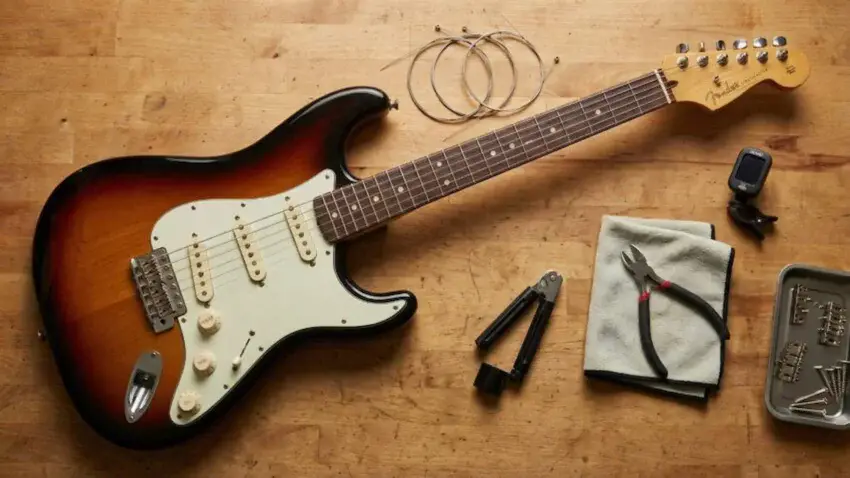
Changing your guitar strings should never feel like a rushed job or a risky one.
Done right, it’s one of the easiest ways to protect your finish, keep your hardware healthy, and boost your tone instantly.
Whether you’re working on a brand-new kit build or refreshing your daily player,
a little technique goes a long way toward keeping your guitar safe while you swap in a
fresh set of strings.
Let’s walk through the simple steps and smart habits that make every string change smooth, clean, and completely stress-free.
👉 This adjustment is part of my Electric Guitar Neck & Setup Guide,
which covers the core setup tasks that affect how a guitar feels and plays.

⭐ Tools You’ll Want On Hand
Before you start swapping strings, having the right tools within reach makes the whole process smoother and protects your guitar from accidental dings or scratches.
These are the essentials every builder and player should keep in their kit.
🎸MusicNomad F-ONE Fretboard Oil
A go-to fretboard conditioner for unfinished woods, MusicNomad F-ONE Oil keeps your fretboard hydrated, clean, and looking rich without leaving greasy residue or buildup.
🌟 Amazon Product Suggestion:

✔️ MusicNomad F-ONE Fretboard Oil
(2 oz Bottle — 100% Natural Cleaner & Conditioner)
The MusicNomad F-ONE Fretboard Oil is a premium, all-natural conditioning oil designed specifically for unfinished fretboard woods like rosewood, ebony, and pau ferro. With a pure blend free of petroleum, waxes, silicone, and water, it cleans, hydrates, and protects without leaving behind residue or buildup. Perfect for restoring dry fretboards, enhancing natural wood color, and keeping your guitar feeling smooth and responsive during play.
Why it’s great:
✔️ 100% natural oil blend — No petroleum, lemon oil, silicone, or wax
✔️ Safe for all unfinished fretboards — Rosewood, ebony & pau ferro
✔️ Restores moisture & prevents cracking
✔️ Cleans grime and conditions at the same time
✔️ Enhances wood grain and deepens color
✔️ Trusted by luthiers and guitar techs worldwide
🎸D’Addario Accessories Pro-Winder
A quick, reliable tool that makes string changes faster and cleaner, combining winding, cutting, and pin pulling in one compact design.
🌟 Amazon Product Suggestion:
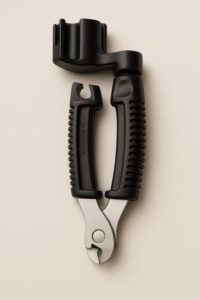
✔️D’Addario Accessories Pro-Winder
(Guitar String Winder)
A clever all-in-one tool that speeds up every string change.
Smooth winding, clean cuts, and a built-in bridge-pin puller
make this a compact must-have for any guitarist.
Why It’s Great:
✔️ Winder + cutter + pin puller
✔️Fast, smooth operation
✔️Clean, precise cuts
✔️Works on electric & acoustic
🎸MusicNomad GRIP Cutter
A tough, pro-level cutter designed for clean, effortless string snips, with hardened blades and comfy GRIP handles for full control during any string change.
🌟 Amazon Product Suggestion:
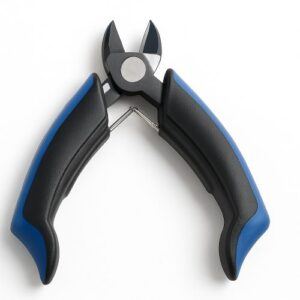
✔️MusicNomad GRIP Cutter
(Premium String Cutter)
A pro-grade string cutter made for guitars, basses, and ukuleles. The alloy-steel blades give clean, flush cuts, and the ergonomic GRIP handles make it comfortable during full string changes or rebuilds.
Why It’s Great:
✔️ Clean flush cuts
✔️Hardened alloy-steel blades
✔️Comfortable GRIP handles
✔️Built for guitar work
⭐ Step-By-Step: How To Change Strings Without Damaging Your Guitar 🎸
Changing your strings is easy — damaging your finish while doing it isn’t.
These steps keep everything safe, controlled, and clean from start to finish.
⭐ Step-By-Step: How To Change Strings Without Damaging Your Guitar 🎸
1️⃣ Protect the Finish Before You Touch Anything
Lay a microfiber cloth under the headstock and another under the bridge area.
This keeps tools, clipped string ends, and slipped winders from scratching your guitar.
2️⃣ Loosen Each String Slowly — Don’t Snap Them Loose
Turn your string winder counterclockwise to release tension gradually.
Fast unwinding can cause the string to whip around and smack your finish.
3️⃣ Remove Old Strings Carefully
Once loose, pull the strings straight out of the tuning posts.
Avoid yanking sideways — that’s how tuners get bent or chipped.
4️⃣ Clean the Fretboard While the Strings Are Off
This is the perfect time for a quick conditioning.
A couple drops on a cloth wipes away grime and keeps the wood hydrated.
5️⃣ Thread the New String Through the Bridge (Straight and Smooth)
Make sure the ball end seats properly.
A crooked ball end can cause tuning issues and bridge rattles later.
6️⃣ Measure a Bit of Slack Before Cutting or Winding
About 2–3 inches of slack gives you the perfect number of wraps
without piling string on itself or slipping against the post.
7️⃣ Wind Clean, Downward Coils — Never Overlapping
Use your string winder and guide the wraps so they move down the post.
This gives you solid tuning stability and a cleaner break angle.
8️⃣ Stretch the String Gently (Don’t Hulk Out on It)
Pull upward at the 12th fret and retune.
Repeat once or twice. This seats the wraps and prevents early detuning.
9️⃣ Tune Up Slowly to Pitch
Ease your way to final pitch — rushing it can snap a fresh string or pull a poorly seated ball end loose.
🔟 Final Wipe Down
Give the body and fretboard a quick microfiber buff to remove fingerprints, string dust, and any smudges from the process.
🎯Final Thoughts…
A good string change is more than swapping out old wires —
It’s a chance to protect your finish, keep your hardware in great shape, and dial in better tone every time you play.
With the right tools and a careful approach, you’ll move through the process faster, smoother, and without the little mistakes that leave scratches or tuning problems behind.
Take your time, follow the steps, and your guitar will reward you with
Fresh feel,
Clean sound,
And rock-solid stability.
Ready to Start Adjusting Your Tone?
Check out our other guides:
👉 If you’re new to guitar kits:
Start with Step-by-Step Guide To Building Your First Electric Guitar Kit and Essential Tools Every Electric Guitar Kit Builder Should Have.
👉 If you already own a kit guitar:
Jump into How To Properly Set Up Your Electric Guitar Kit For Intonation or Fixing Common Problems: Buzzing And Dead Frets.
👉 If you’re chasing better tone:
Head to Understanding Humbucker Vs Single Coil Pickups In Kits or Playing With Tone Controls: Tips For Electric Guitar Kits and start experimenting.
Your Guitar, Your Build, Your Sound
You don’t need a custom shop or a tech on speed dial.
All you need is a little guidance, some patience, and a place to go that shows you what to do next.
Come on man… You got this.
GuitarCrafts is here to help you along the way.
 Craft it. Play it. Own it!
Ready to take your guitar passion beyond the workbench?
See how I built GuitarCrafts.com using the training at Wealthy Affiliate — you can do the same.
 Build Your First Website With Wealthy Affiliate (Free)

This guide is such a welcome resource—it’s not just about replacing strings, it’s about honing a ritual that protects your guitar and refines your sound. I really appreciate how you emphasize treating string changes like a full maintenance check: from preparing your workspace and cleaning the fretboard, to using the right tools (string winder, wire cutters, nut lubricant), and stretching strings for lasting tuning stability. The advice to tune up to pitch and lubricate nut slots afterward is a subtle but game-changing detail. It’s clear that doing things the right way—from prepping to winding to maintenance—turns a basic string swap into something that keeps your guitar sounding fresh and feeling great.
Do you find most players overlook lubricating the nut or saddles? It seems like such a small step, but I imagine it’s crucial for preventing string binding and helping tuning stay solid.
Thank you so much! I’m glad the guide resonated! It’s amazing how much of a difference a thoughtful string-changing routine can make, not just for tone but for the guitar’s longevity.
You’re right! Lubricating the nut and saddles is one of those small steps that many players overlook, but it’s hugely important. Even a tiny bit of friction can cause strings to stick, leading to tuning instability and frustration, especially with tremolo systems or heavier bends. A little nut or saddle lubricant goes a long way toward smooth tuning and overall playability.
It’s those small, careful habits that turn routine maintenance into a real tone-preserving ritual, and it’s great to see builders taking notice!
Thanks again,
~Wayne
Thanks for these amazing guitar string changing techniques, Wayne! I’ll have to say that I am a complete beginner when it comes to guitar though. Wondering why is it that we should always tune up and never down for guitars? What happens if we accidentally start a little too sharp? Is there no way to adjust the tune down?
Thanks so much! Great questions. The reason we “tune up” rather than down is all about stability: by slowly bringing the string to pitch from below, you stretch it evenly and help the tuner settle, reducing the chance of it slipping sharp later. If you accidentally start a little too sharp, you can always loosen the string and tune up again carefully. It’s just better to approach the target pitch from below to avoid sudden tension or tuning instability. Tuning down can work, but it often results in the string bouncing around before it settles, which can be frustrating… especially for beginners.
Thanks again,
~Wayne