
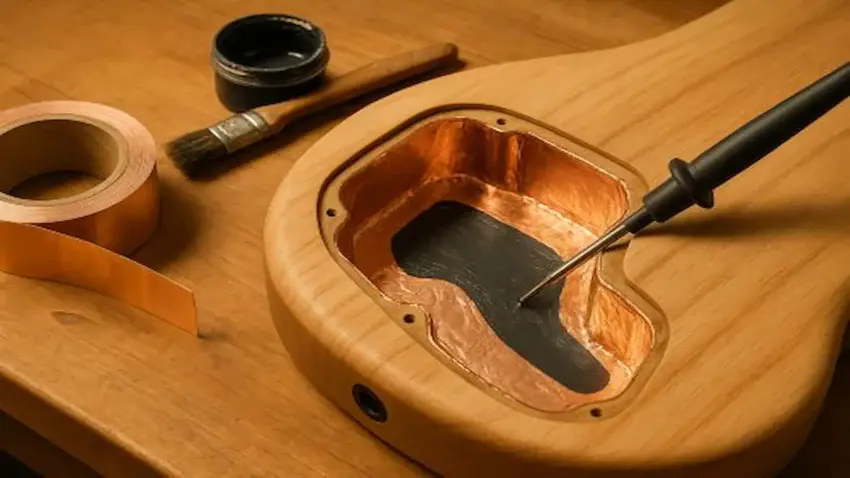
If you’re building or modifying a kit guitar,
understanding how to shield your guitar’s
electronics for noise reduction is one of the most
important upgrades you can make.
Proper shielding can be the difference between
a clean, professional sound and that annoying
60-cycle hum or buzzing that ruins your tone.
Shielding is one of the most overlooked
but essential steps — especially with
budget guitar kits or older guitars that were
never shielded properly from the factory.
The good news?
You can do this upgrade yourself
with just a few inexpensive materials.
In this guide, we’ll cover why shielding matters,
what tools you’ll need, how to shield your
control cavity and pickguard, and a few extra tricks
to help you get a truly quiet, noise-free guitar.
👉 Guitar shielding is one of
many upgrades covered in my
Electric Guitar Customization & Mods Guide.

🛠️ Getting Started
With Shielding
Before you dive into the copper tape and
conductive paint, it helps to understand
why shielding matters and
what you’ll actually be doing.
Good shielding is all about creating a
controlled electrical “cage” around your
electronics to block out unwanted interference.
Now that you’ve got the right tools and
materials ready to go, let’s walk through the
exact steps to shield your cavities, pickguard,
and wiring so you can finally
kill that annoying hum.
Some manufacturers
— especially budget kit makers —
skip shielding to reduce costs.
Others rely on the belief that good cables
or pedals will manage most of the noise.
But if you’re building your own guitar kit
or customizing one, adding shielding is a
low-cost upgrade that instantly
improves sound quality.
✅ 1. Copper Tape
If you want the strongest overall shielding,
copper tape is the classic go-to.
It gives you full coverage inside the control cavity
and creates a reliable conductive layer that
blocks hum and interference.
🌟 Amazon Product Suggestion:
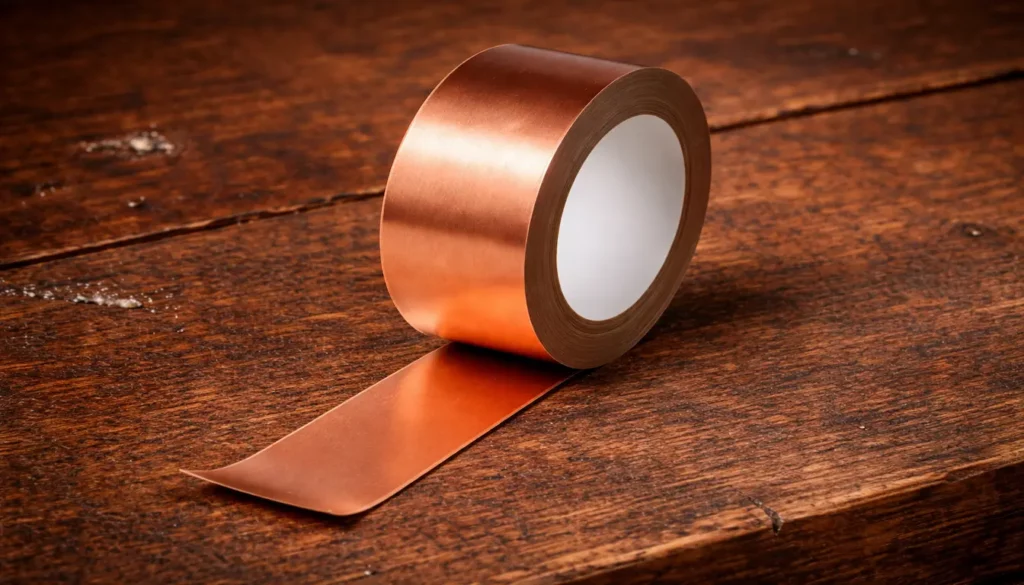
✔️ Kirecoo Copper Tape
Conductive Adhesive Shielding Tape
A reliable option for shielding
guitar cavities and reducing noise.
Conductive adhesive ensures
solid continuity for clean, quiet wiring.
Why it’s great:
✔ Conductive adhesive for solid continuity
✔ 2-inch width covers cavities fast
✔ Easy to apply in tight spaces
✔ Great for shielding and grounding
✅ 2. Conductive Paint
For tight curves, deep cavities, or areas where tape just won’t stick,
conductive shielding paint is the easiest way to get a
smooth, continuous protective coating.
🌟 Amazon Product Suggestion:
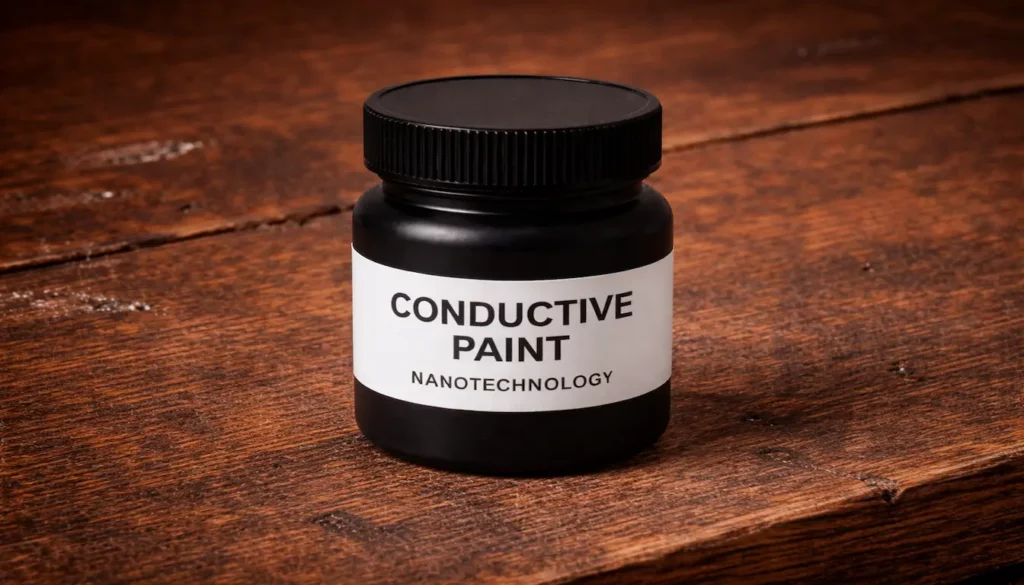
✔️ Conductive Shielding Paint
(1 fl oz)
Great for curved or hard-to-reach
cavities where tape won’t fit.
Applies easily and creates a seamless
shielding layer to reduce noise.
Why It’s Great:
✔ Brush-on, no cutting needed
✔ Strong EMI protection
✔ Works on curved surfaces
✔ Smooth, fast-drying finish
✅ 3. Digital Multimeter
Before you button everything back up,
you need a way to confirm
your shielding actually works.
A simple multimeter lets you
test continuity, grounds,
and connections quickly and accurately.
🌟 Amazon Product Suggestion:
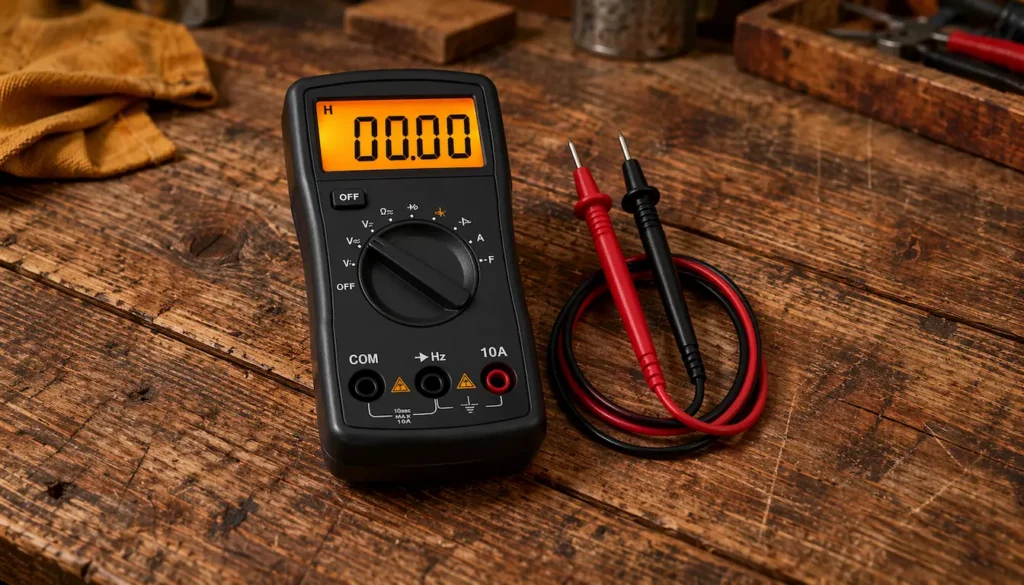
✔️ KAIWEETS 6000-Count
Digital Multimeter
A budget-friendly multimeter for checking
shielding and diagnosing wiring issues.
Auto-ranging and clear readings
make testing quick and easy.
Why It’s Great:
✔ Fast continuity checks
✔ Verifies grounds and wiring
✔ Auto-ranging for easy use
✔ Bright backlit display
✅ 4. Digital Soldering Station
A good shielding job sometimes requires
touching up grounds or tightening loose solder joints.
A stable, temperature-controlled soldering station
makes the work cleaner, safer,
|and far more accurate than cheap pen-style irons.
🌟 Amazon Product Suggestion:
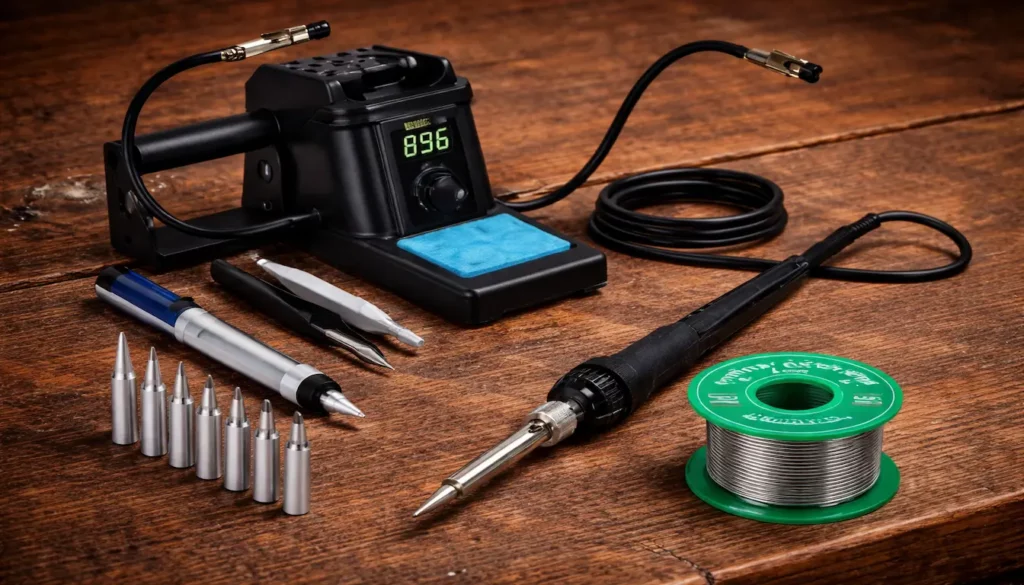
✔️ YIHUA 926 III
Digital Soldering Station
A reliable station with fast heat
and stable temperature control.
Everything you need for
clean wiring, shielding, and installs.
Why It’s Great:
✔ Digital temp control for clean joints
✔ Fast 60W heat-up
✔ Precision tips for tight spaces
✔ Includes stand and helping hands
✅ 5. Precision Craft Knife Set
When you need clean edges on copper tape
or want to shape shielding pieces that fit tight curves,
a sharp precision blade gives you
the control and accuracy cheap hobby knives
just can’t match.
🌟 Amazon Product Suggestion:
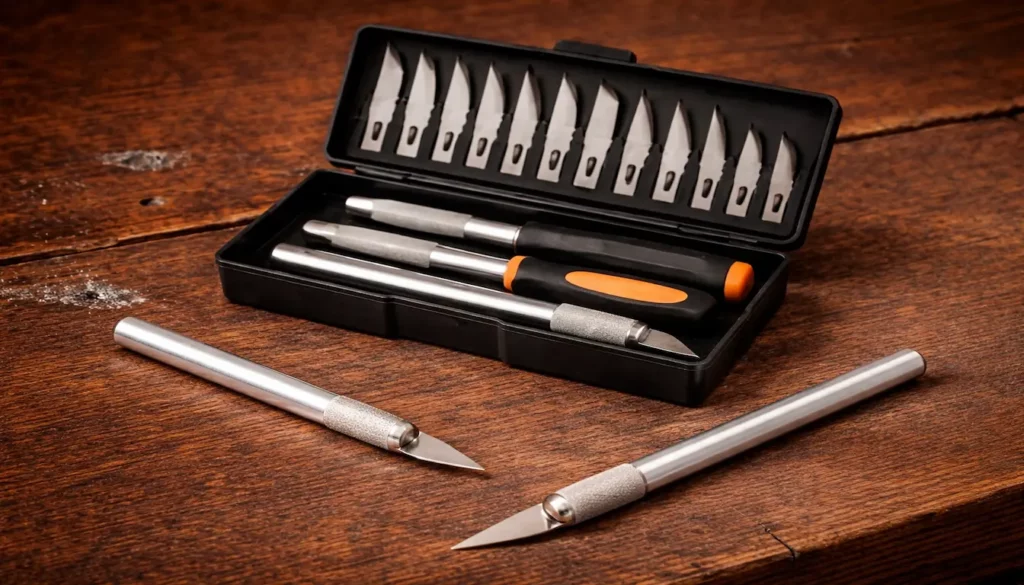
✔️ Jetmore 16-Piece Precision
Craft Knife Set
A sharp, precise kit for trimming tape,
shaping templates, and clean cavity cuts.
Great control and versatility for
detailed guitar work.
Why It’s Great:
✓ Sharp blades for clean cuts
✓ Multiple handles for control
✓ Great for tape and templates
✓ Case keeps blades organized
✅ 6. Braided Instrument Cable
Once your guitar is shielded,
you want a cable that won’t add
noise back into your signal chain.
A high-quality, dual-shielded instrument cable
keeps your tone clean and
interference-free from guitar to amp.
🌟 Amazon Product Suggestion:
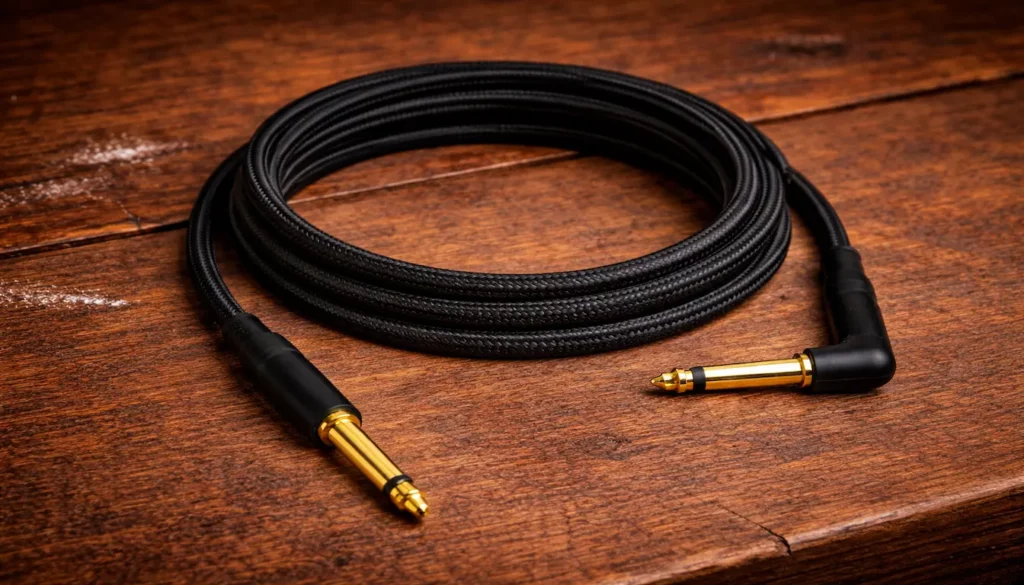
✔️ Ernie Ball Braided
Instrument Cable
A clean, quiet cable that
lets your shielding work shine.
Durable braided jacket and
flexible plug setup for everyday use.
Why It’s Great:
✔ Dual shielding for low noise
✔ Durable braided jacket
✔ Straight + right-angle plugs
✔ Reliable gold-plated contacts
🪛 Step-By-Step:
How To Shield Your
Guitar’s Electronics
for Noise Reduction
1. Remove the Pickguard
or Control Plate
Use a clean workspace and remove all screws
holding your pickguard or control plate.
Lift it carefully so you don’t stress the pickup wires.
👉 This exposes the cavities so you can properly
access every surface that needs shielding.
🎯 Pro Tip:
Use a magnetic parts bowl so screws don’t
disappear into the sawdust dimension.
2. Clean the Cavities Thoroughly
Use a dry cloth or a little rubbing alcohol to wipe out
dust, wood fibers, and factory residue.
👉 Shielding materials stick better
to a clean surface.
🎯 Pro Tip:
Q-tips help you reach corners
that your fingers can’t.
3. Line the Cavity Walls
With Copper Tape
Start applying copper tape along the sides of the
cavity, overlapping every piece slightly.
Press the tape firmly into corners so it
conforms to the wood.
👉 Overlapping ensures full electrical continuity.
🎯 Pro Tip:
Use a plastic card or a wooden dowel to
burnish the tape for max adhesion.
4. Shield the Bottom of the Cavity
Lay copper tape across the bottom,
again overlapping edges and connecting it
to the side walls.
👉 You want one big, connected copper “box”
— not separate pieces.
🎯 Pro Tip:
Cut small relief slits so the tape lays
flat without wrinkles.
5. Shield the Pickup Cavities
(If Needed)
Some kits already have these painted
with conductive coating —
if not, add copper tape here too.
👉 Single-coil cavities especially
benefit from full shielding.
🎯 Pro Tip:
If your pickup routes are tight,
avoid thick overlaps that might
pinch the pickup.
6. Shield the Back of the Pickguard
Apply copper tape across the entire area
behind the pots, switch, and wiring.
👉 When the pickguard is screwed down,
it will contact the cavity shielding
and complete the cage.
🎯 Pro Tip:
Leave the pickup openings clear so
pickups don’t stick to the tape.
7. Create a Ground Contact Point
Pick one screw hole in the cavity and
run a small strip of copper from the
cavity floor to that screw location.
👉 This ensures the pickguard shielding
makes solid contact when installed.
🎯 Pro Tip:
Press firmly around that area —
the screw pressure will lock
the ground in tight.
8. Ground the Shielding
to Your Electronics
Run a small wire from the copper shielding
to the back of a pot
(your main ground point).
👉 This ties the shielding into your guitar’s
ground system so it can actually drain interference.
🎯 Pro Tip:
Lightly scuff the copper with sandpaper
before soldering
— It helps the solder stick instantly.
9. Test for Continuity With a Multimeter
Before closing the guitar,
use your multimeter in continuity mode
and make sure:
-
All copper surfaces are connected
-
The pickguard shielding touches the cavity shielding
-
The ground point is active
👉 If anything isn’t connected,
you’ll get hum instead of silence.
🎯 Pro Tip:
Touch probe-to-probe first —
you should hear a beep.
That’s your baseline.
10. Reassemble and Plug In
Reattach the pickguard or control plate,
tighten the screws,
and plug your guitar into your amp.
👉 You should notice a HUGE decrease in
hum, buzz, and electrical interference —
especially with gain.
🎯 Pro Tip:
Spin slowly near light fixtures,
monitors, and appliances.
If the hum stays low,
shielding is working perfectly.
Recommended Upgrades To
Reduce Noise & Improve Tone
If you’re dealing with unwanted hum or interference,
a few targeted upgrades can dramatically
clean up your signal.
Shielding is a great start,
but pairing it with the right components
takes things even further.
- Want better control over noise and tone?
Check out:
Using Tone Pots & Capacitors to Shape Tone. - Looking for quieter, higher-output options?
Explore:
Guitar Pickups Guide: Choosing the Right Tone. - Don’t forget setup —
Setting Up The Bridge And Neck
can also impact how your guitar responds.
⭐ Final Thoughts…
Shielding your guitar’s electronics is one of
those upgrades that feels small
but delivers a huge payoff.
With just a bit of copper tape or conductive paint —
and a few basic tools —
you can dramatically cut down on hum, buzz,
and interference that rob your tone of clarity.
Whether you’re building a kit from scratch or
improving an older guitar, proper shielding gives you
a cleaner, quieter signal and makes
every pickup sound its best.
Take your time and test your continuity as you go…
And you’ll end up with a noise-free guitar that’s
more fun to play and far more reliable on stage,
in the studio, or at home.
Quiet guitar.
Clean tone.
Better playing experience.
All from a simple afternoon upgrade.
 Ready to Start?
Here’s your next step —
pick one and go:
 New to guitar kits?
Start with
Step-by-Step Guide To Building
Your First Electric Guitar Kit
and
Essential Tools Every Electric Guitar Kit
Builder Should Have.
Already built a kit?
Jump into
How To Properly Set Up Your
Electric Guitar Kit For Intonation
or
Fixing Common Problems:
Buzzing And Dead Frets.
Chasing better tone?
Head to
Understanding Humbucker
Vs Single Coil Pickups In Kits
or
Playing With Tone Controls:
Tips For Electric Guitar Kits
and start experimenting.
 Your Guitar, Your Build,
Your Sound
You don’t need a custom shop or a tech on speed dial.
All you need is a little guidance, some patience,
and a place to go that shows you what to do next.
Come on man… You got this.
This is a wonderfully practical and clear guide—shielding truly is one of those unsung upgrades that can make a guitar go from good to quietly professional-sounding. You explain the reason behind it so well: without shielding, a guitar’s wiring acts like an antenna, inviting hum and interference into your tone. Creating a Faraday cage using copper tape, conductive paint, or both offers an accessible, low-cost path to clean, noise-free sound. I particularly appreciated the breakdown of when shielding makes the most impact—like in single-coil-heavy builds or kit guitars that often come unshielded. It’s reassuring to know how achievable it is for DIY builders and how it holds up over time when properly grounded. A couple of things that got me curious:
For someone building their first kit, do you find that copper tape or shielding paint tends to offer better long-term reliability, especially if they’re less experienced with soldering or fine tool work? And in your experience, does wiring shielding (like using shielded cable or grounding wire sleeves) measurably complement cavity shielding—or could it be overkill in most home studio settings?
Thanks so much for the thoughtful comment! You’re spot on! Shielding is one of those upgrades that quietly makes a huge difference, especially in single-coil or unshielded kit guitars. I love hearing that the guide made the process feel approachable.
For a first-time builder, copper tape usually offers the easiest path to long-term reliability. It’s forgiving if your soldering isn’t perfect, sticks well to most cavities, and creates a solid connection once grounded. Shielding paint works too, but it can be a bit trickier to apply evenly, and it’s easier to accidentally leave gaps that let hum through.
As for wiring shielding, it definitely complements cavity shielding, especially in noisy environments, but for most home studios it’s not strictly necessary. If you’re already careful with grounding and cavity shielding, adding shielded wire is more about peace of mind and extra protection than an absolute requirement. It’s a nice bonus, but not usually a “must” for typical DIY builds.
Thanks again,
~Wayne
Shielding your guitar’s electronics is one of those upgrades that often gets overlooked, yet it makes a massive difference in overall tone and playability. I really appreciate how this guide breaks down not just the “how,” but also the “why.” Too many players accept buzz and hum as normal, when in reality, a bit of copper tape or conductive paint can transform a noisy setup into something far more professional. What I like most is that this method is accessible—even beginners with basic tools can follow along and see results. The emphasis on grounding and continuity testing is also spot-on; skipping those steps is where many DIY jobs fall short. Whether you’re working with a budget kit or just want to refine an existing guitar, shielding is a cost-effective upgrade that truly elevates your sound quality. Excellent breakdown and practical advice!
Thank you so much for the detailed feedback! I’m glad the guide’s “how and why” approach resonated. Shielding really is one of those underrated upgrades that can make a huge difference. You’re right, proper grounding and continuity testing are key, and it’s great to hear that the step-by-step method feels accessible even for beginners. I love helping builders turn a noisy setup into something that sounds truly professional, whether it’s a budget kit or a refinished guitar.
I really appreciate you taking the time to share your thoughts!
~Wayne