

Wiring your electric guitar kit is one of those
steps that looks simple on the surface —
until a small mistake sends you chasing
hum, buzz, weak output,
or a completely dead signal.
In Common Wiring Mistakes And
How To Fix Your Electric Guitar Kit,
we break down the errors builders make
most often and show you exactly how to
fix them with confidence.
Whether your kit won’t make a sound or
your tone just feels “off,” the solutions are
usually much simpler than you think.
Proper wiring is the backbone of clean,
reliable guitar tone.
Once you know what to look for —
bad grounds, reversed wires,
cold solder joints, miswired switches,
and more — troubleshooting becomes
fast, logical, and almost automatic.
This guide walks you through the most
common issues, how they happen,
and the exact steps to correct them so
your guitar sounds the way it should.

⭐ Products That Make Fixing
Wiring Mistakes Much Easier
Fixing wiring issues gets a lot easier when you’re
using the right tools and materials from the start.
These picks help you track down problems,
clean up your signal, and get your guitar working
the way it should.
1. Kirecoo Copper Tape
When you’re fixing wiring issues,
proper grounding is everything.
Copper tape makes it easy to eliminate hum
caused by poor cavity shielding or incomplete
ground paths.
🌟 Amazon Product Suggestion:
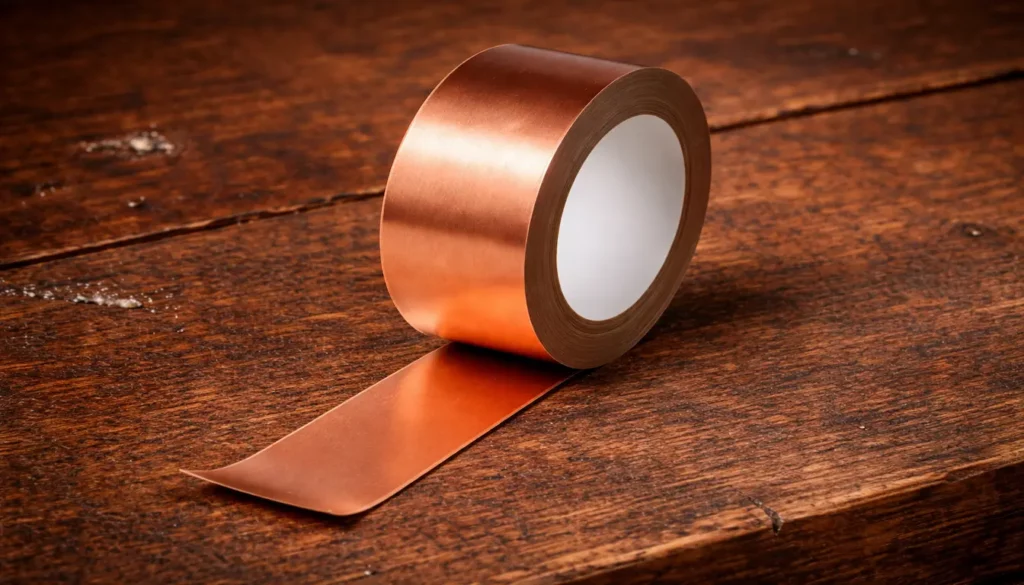
✔️ Kirecoo Copper Tape
Conductive Shielding Tape
A reliable copper tape for
shielding guitar cavities and
reducing hum and noise.
Applies smoothly with strong adhesive
for solid electrical continuity.
Why it’s great:
✔ Conductive adhesive for full continuity
✔ Wide 2″ roll covers quickly
✔ Strong adhesion, easy to apply
✔ Great for shielding and grounding
2. Conductive Shielding Paint
If your wiring problems come from noise
bleeding into the circuit, shielding paint offers
a fast, ultra-clean way to seal the cavity and
improve your signal-to-noise ratio.
🌟 Amazon Product Suggestion:
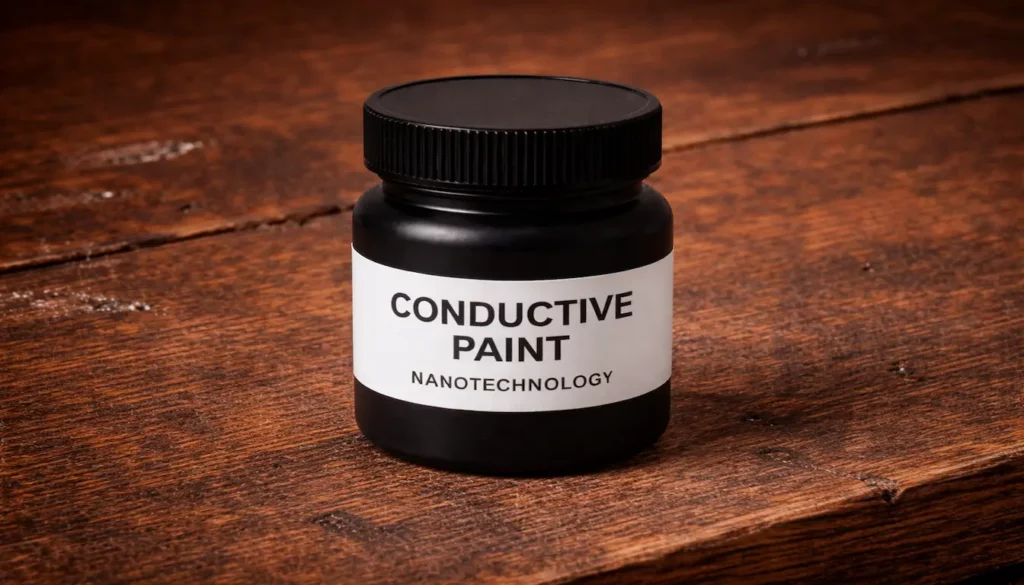
✔️ Conductive Shielding Paint
(1 fl oz)
Brush-on shielding paint
for hard-to-reach cavities
where tape won’t fit.
Creates a smooth, continuous
conductive layer to
reduce hum and noise.
Why It’s Great:
✔ Easy brush-on — no cutting or layering
✔ Strong EMI protection
✔ Ideal for curved or tight spaces
✔ Smooth, seamless finish
3. KAIWEETS
Digital Multimeter
A multimeter is your truth detector.
When a wire is dead, reversed,
shorted, or improperly grounded,
this tool tells you instantly.
🌟 Amazon Product Suggestion:
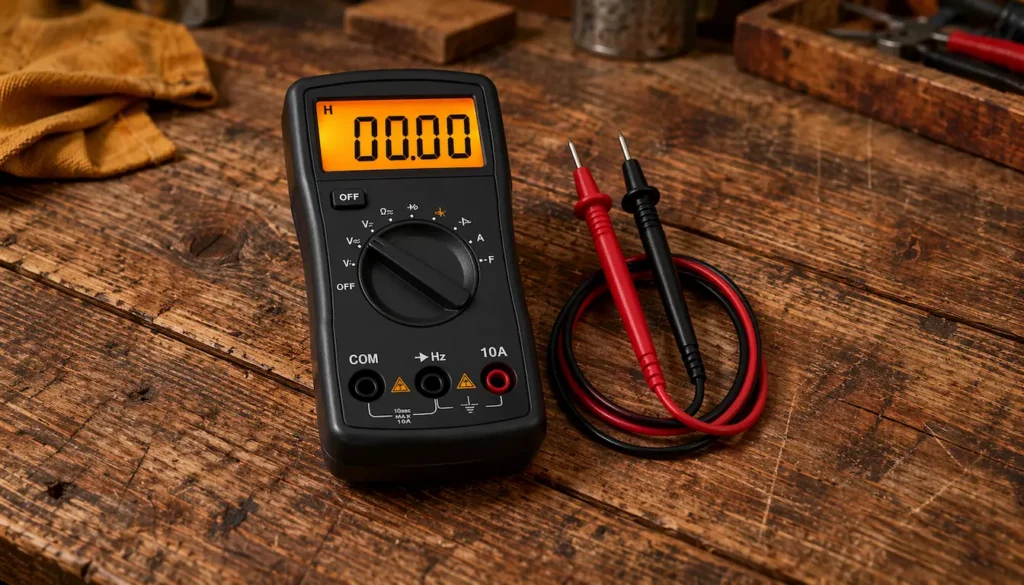
✔️ KAIWEETS 6000-Count
Digital Multimeter
A reliable, budget-friendly multimeter
for testing guitar wiring
and diagnosing issues.
Fast readings and easy operation
make it perfect for builders
at any level.
Why It’s Great:
✔ Continuity check — verifies connections
✔ Resistance readings — checks grounds
✔ Auto-ranging — no guesswork
✔ Bright display — easy to read
4. YIHUA 926 III
Soldering Station
Most wiring mistakes start with
bad solder joints.
A steady, temperature-controlled iron
gives you clean, solid connections
every time.
🌟 Amazon Product Suggestion:
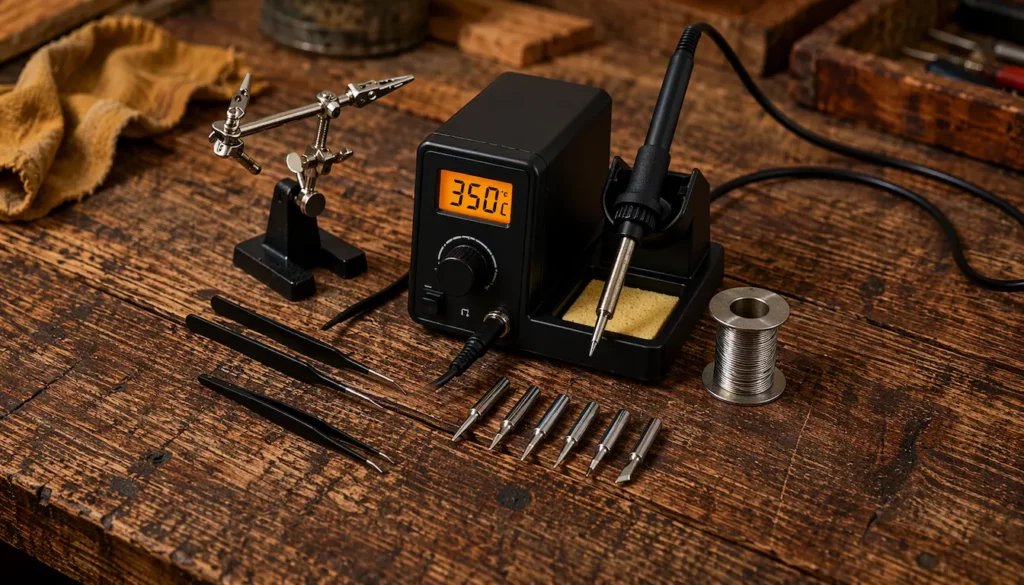
✔️ YIHUA 926 III Digital
Soldering Station
(60W)
A reliable soldering station
with fast heat and
stable temperature control
for clean, consistent wiring work.
A big step up from cheap kits for
shielding, repairs, and installs.
Why It’s Great:
✔ Digital temp control — clean, strong joints
✔ 60W fast heat — ready quickly
✔ 6 tips — perfect for tight wiring
✔ Full kit — stand, solder & tools included
5. Ernie Ball Instrument Cable
Not all wiring issues are inside the guitar
— sometimes it’s your cable.
A high-quality instrument cable ensures your
fixes aren’t being ruined by a noisy connection.
🌟 Amazon Product Suggestion:
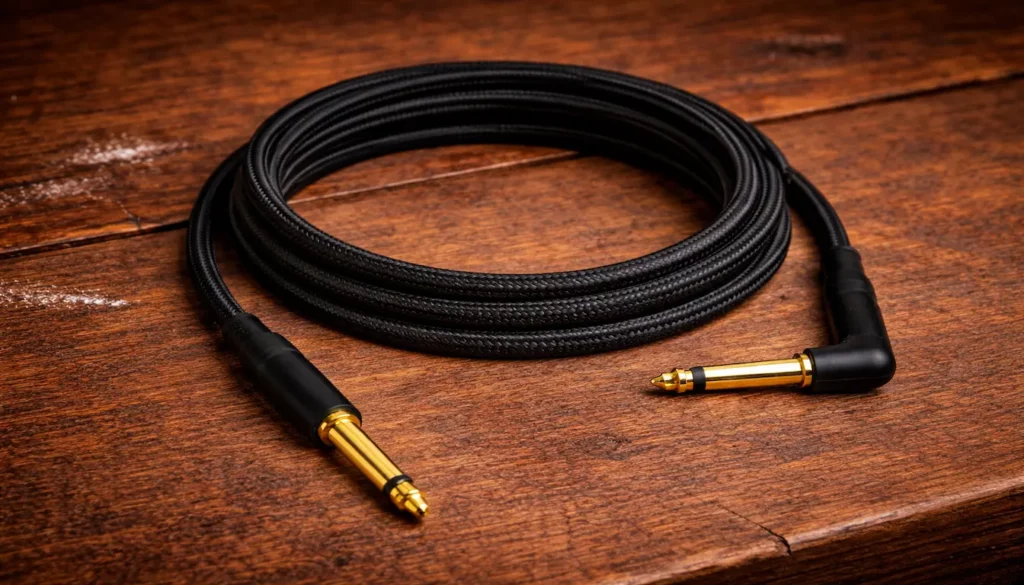
✔️ Ernie Ball Braided
Instrument Cable
(18ft – Straight/Angle)
This Ernie Ball cable gives you
a clean, quiet signal that actually
shows off your shielding work.
The braided jacket keeps it
tangle-free and durable, and
the straight/angle plug setup is
perfect for most electric guitar jacks.
Why It’s Great:
✔ Noise-free dual shielding
✔ Ultra-durable braided jacket
✔ Straight + right-angle connectors
✔ Smooth, reliable signal for any guitar
⭐ Step-By-Step: Fixing
Common Wiring Mistakes
1. Check for Loose or
Missing Ground Connections
A bad ground is the #1 cause of hum,
buzz, or complete signal failure.
Make sure every ground point —
pots, switch casing, bridge ground,
and output jack — has a solid,
shiny solder joint.
If a wire barely touches the casing,
reflow it with a proper bond.
2. Look for Reversed
Hot and Ground Wires
This one happens more often than you think.
If your guitar is silent or extremely weak,
check that the hot lead is truly going to the
input lug and the ground isn’t
accidentally reversed.
Swap them and your signal
usually snaps back instantly.
3. Inspect for Cold Solder Joints
Dull, lumpy, or cracked solder joints create
unstable tone, crackling, and intermittent
dropouts.
Heat the joint until the solder flows
like liquid chrome,
then let it cool naturally.
A temperature-controlled soldering station
helps prevent re-melting nearby connections.
4. Confirm the Switch
Is Wired Correctly
Selector switches are easy to misread since
different kit brands use different lug layouts.
Compare your wiring to the correct diagram
for your switch style —
import, CRL, blade, or toggle —
And make sure each pickup lead
is on the correct lug.
5. Fix Crossed or Touching Wires
If two hot wires are pressed together or
touching exposed shielding, you can
accidentally short the circuit and
kill your output.
Spread the wires neatly, trim
excess lead length, and use
heat-shrink tubing where needed.
6. Test All Pot Lugs
for Proper Soldering
Volume or tone pots that don’t respond
correctly often come down to lugs that
weren’t fully soldered or accidentally
bridged.
Make sure no stray solder blob
is connecting two lugs that
shouldn’t touch.
Resolder and clean up any excess.
7. Verify the Output Jack Wiring
This is one of the easiest mistakes to
overlook — and the easiest to fix.
The tip connection is your hot.
The sleeve is ground.
If they’re reversed or touching,
you’ll get popping, buzzing,
or no sound at all.
Clean it up and secure the leads.
8. Use a Multimeter to
Test Continuity
A multimeter removes the guesswork.
Test the hot path from the
pickups to the jack.
Check every ground point.
If the meter doesn’t beep,
you’ve found your break.
This step alone solves half
of all wiring problems.
9. Evaluate Shielding Issues
That Cause Noise
Improper shielding — like tape that doesn’t
make full contact or paint that isn’t
thick enough — creates grounding gaps that
let noise into the circuit.
Ensure all shielding connects back to the
master ground, and that the walls, base,
and cover are continuous.
10. Perform a Final Signal Test
Before Closing the Guitar
Plug in, tap the pickups with a screwdriver,
roll the knobs, and toggle the switch.
If everything behaves correctly,
you’re good to button up the cavity.
If something still feels off,
go back to steps 1–8 —
The problem will reveal itself.
⭐ Final Thoughts…
Fixing wiring mistakes in your electric guitar
kit doesn’t have to be frustrating.
Once you know what to look for —
Bad grounds
Reversed wires
Cold solder joints
Miswired switches
And shielding gaps
Troubleshooting becomes a simple,
step-by-step process.
With a few reliable tools and a systematic approach,
you can turn a noisy, weak, or silent guitar into a
clean-sounding instrument that performs
exactly the way it should.
Dialing in your wiring is one of the smartest
upgrades you can make during your build.
Take your time, double-check each connection,
and you’ll end up with a guitar that’s quiet,
consistent, and ready to rock.
 Ready to Start?
Here’s your next step —
pick one and go:
 New to guitar kits?
Start with
Step-by-Step Guide To Building
Your First Electric Guitar Kit
and
Essential Tools Every Electric Guitar Kit
Builder Should Have.
Already built a kit?
Jump into
How To Properly Set Up Your
Electric Guitar Kit For Intonation
or
Fixing Common Problems:
Buzzing And Dead Frets.
Chasing better tone?
Head to
Understanding Humbucker
Vs Single Coil Pickups In Kits
or
Playing With Tone Controls:
Tips For Electric Guitar Kits
and start experimenting.
 Your Guitar, Your Build,
Your Sound
You don’t need a custom shop or a tech on speed dial.
All you need is a little guidance, some patience,
and a place to go that shows you what to do next.
Come on man… You got this.
GuitarCrafts
is here to help you along the way.
Craft it. Play it. Own it!
This is such a clear and encouraging guide—especially for anyone tackling their first guitar kit wiring. I really appreciate how you demystify common pitfalls like cold solder joints, incorrect wiring, poor grounding, and excess-length wires, showing how these issues often translate into buzzing, hum, or complete dead spots. It’s empowering to know that most of these problems are easily fixable with just a few tools and a steady hand.
I love how you emphasize the importance of using wiring diagrams, testing wiring early before closing up the cavity, and keeping connections neat and tidy—not just for functionality but for future upgrades as well. It’s a reminder that building a guitar is as much about care and precision as it is about creativity.
If there’s one thing beginners tend to underestimate, I bet it’s grounding: that single poor connection can introduce hum and frustration out of nowhere. What other small wiring steps do you find builders frequently overlook, that might later cause weird noises or inconsistencies?
Thank you so much! I’m glad the guide made wiring feel approachable! Getting those basics right really sets the stage for a smooth build and clean tone.
You’re absolutely right that grounding is one of the biggest things beginners underestimate. Another small step that often gets overlooked is tidying up wire lengths and securing loose leads inside the cavity. Wires that shift or touch the wrong points can create intermittent noise that’s tricky to trace later. Also, double-checking solder joints for a clean, shiny connection. Even a joint that looks fine at first can sometimes cause scratchy signals or hum if it’s slightly cold.
Those little details may seem minor at the time, but taking care of them early can save a lot of frustration and really pay off when testing and playing your build.
Thanks again,
~Wayne
This is a really helpful guide. I’ve helped with a couple of beginner kits, and the wiring issues you describe are exactly the problems we ran into. The step-by-step instructions and troubleshooting tips are on time. I’m curious about shielding the control cavity: in your experience, does tape generally work as well as shielding paint, or does it depend on the guitar and pickups? Just wondering before there is another build. Thanks for all the great info here!
Thanks so much! I’m glad the guide resonated and that the troubleshooting tips were on point. Regarding shielding, both copper tape and conductive shielding paint can work well, but there are some nuances. Copper tape is usually easier for beginners, gives consistent coverage, and is great for irregular shapes in the control cavity. Shielding paint can be faster for larger areas and offers good continuity, but it sometimes requires multiple coats and careful grounding. Ultimately, it can depend on the guitar and pickups. Tape often provides a bit more flexibility, especially for smaller DIY kits.
Either method, when grounded properly, can significantly reduce buzz and hum.
Thanks again,
~Wayne